Field Activity 3
Design and Make Biomaterial Product
Subject:
Innovation Module
Concept:
Design & Sustainability
Lesson Title
Design and Fabricate a Sustainable Biomaterial Product
Duration
Duration: 3 weeks of 1-2 hrs lesson each week.
Lesson Objectives
Students will be able to: * Formulate/reproduce a biomaterial sample after class demonstration * Brainstorm, design and fabricate a functional biomaterial product that meets the needs of their intended users in teams of 3/4 * Apply an iterative design process (prototype → test → refine) with at least one evidence-based improvement. * Discuss and share environmental consideration in their design and prototyping. * Collaborate effectively, present design rationale and final product in teams of 3 or 4 * Reflect the learning process individually.
Success Criteria
- Biomaterial formed correctly and usable
- Product able to function as intended
- Evidence of iteration and improvement
- Clear sustainability justification
- Effective teamwork and communication
Lesson Flow
Week 1
Phase 1: Introduction (15 min) Hook: Show plastic vs biomaterial products Introduce SDG 12: Responsible Consumption and Production Driving Question: “How can we design products that reduce environmental impact?”
Phase 2: Demonstration (30 min) Teacher demonstrates biomaterial production Highlight ingredients (gelatine, glycerol, water ratios) Students record observations
Phase 3: Guided Practice (30 min) Students produce first biomaterial batch in teams Teacher give instruction for the Design Challenge for homework
Week 2
Phase 4: Design Challenge (45 min) Task: Design and Make Biomaterial Product (e.g., carrier, paper clips holder) Constraints & Materials: * Must use the material that they create in Phase 3 as their main material * Can use recycled material found in makerspace * Can use sewing materials, clips, cutters, buttons, and stationary supplies in makerspace
Phase 5: Prototype & Test (45 min) Students fabricate product Conduct test on usability and getting feedback from peers Record feedback, reflection and revised design diagrams
Week 3
Phase 6: Iteration (30 min) Improve design based on feedback and reflection Document changes and reasoning
Phase 7: Presentation & Reflection (30 min) Present product and sustainability consideration Submit group learning diary and individual reflection
Differentiation
- Teacher consultation available for all groups
- Extension: modify biomaterial recipe if their design needs material of certain physical properties such as more flexible or durable
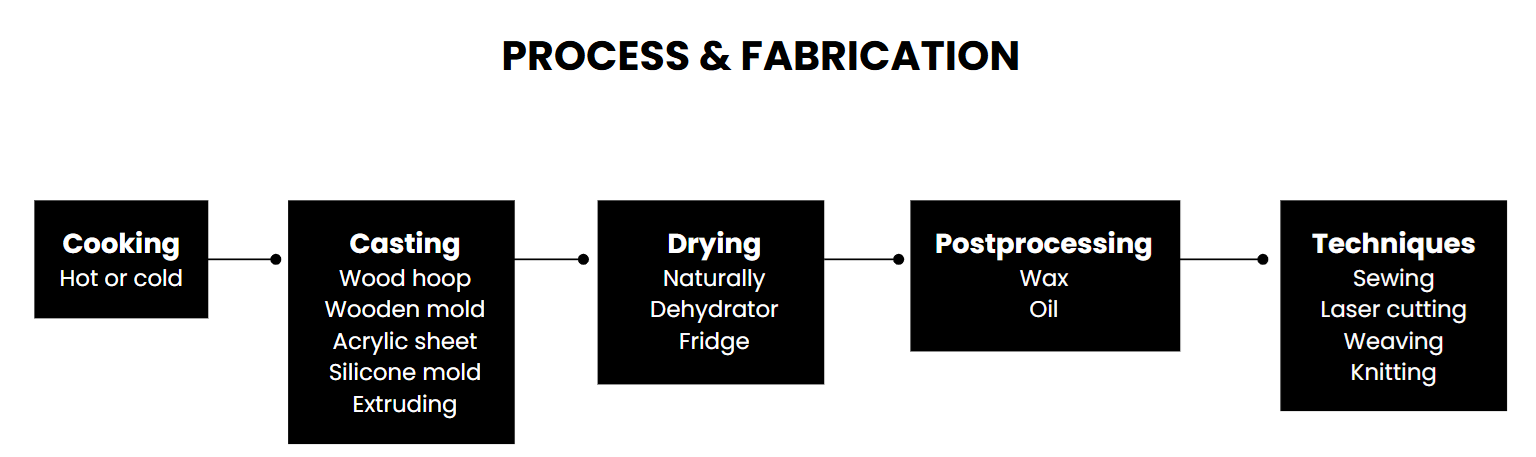
Materials per team of 3/4:
Water 240 ml Gelatine 48 g Glycerol normal 24 g
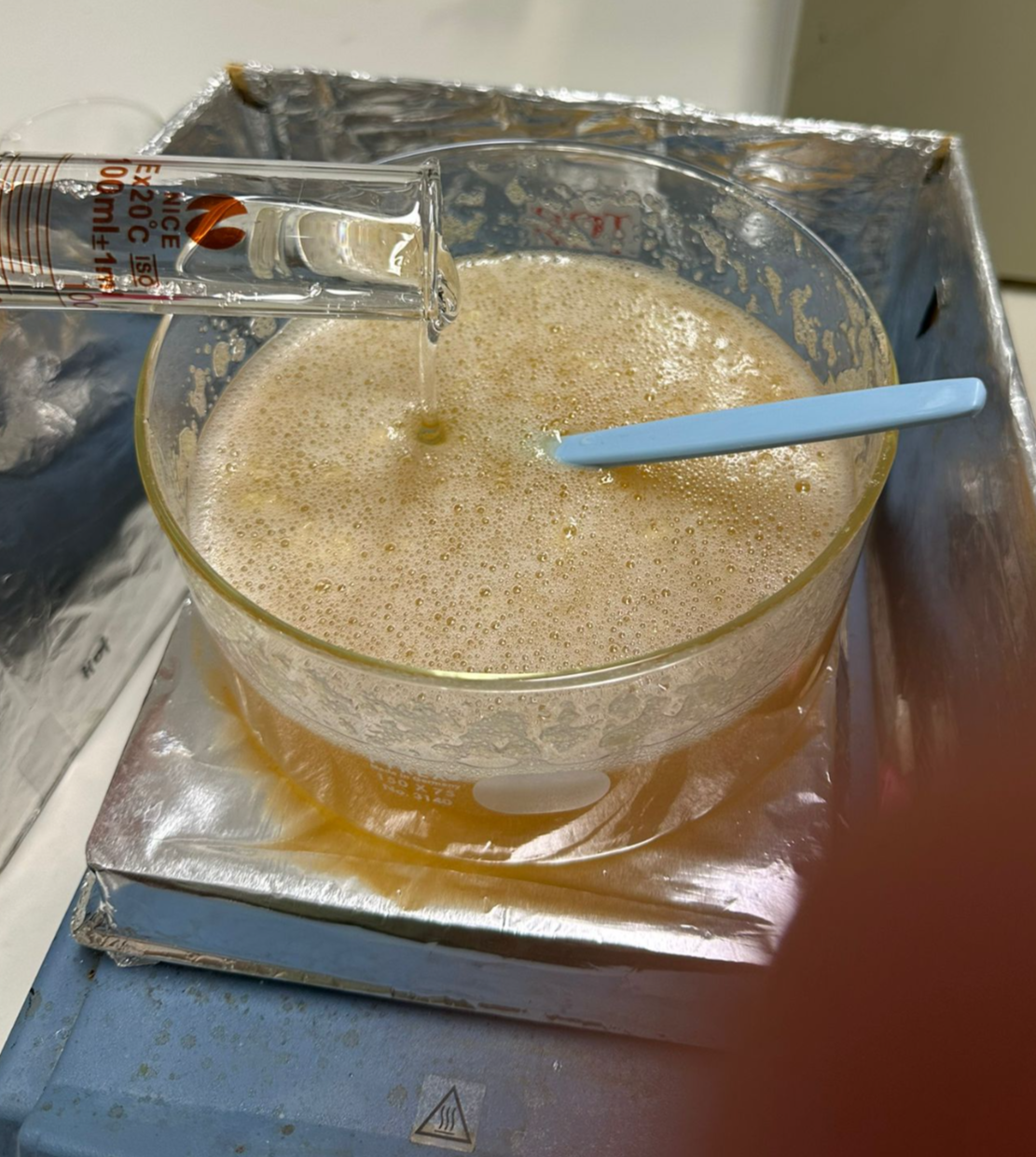
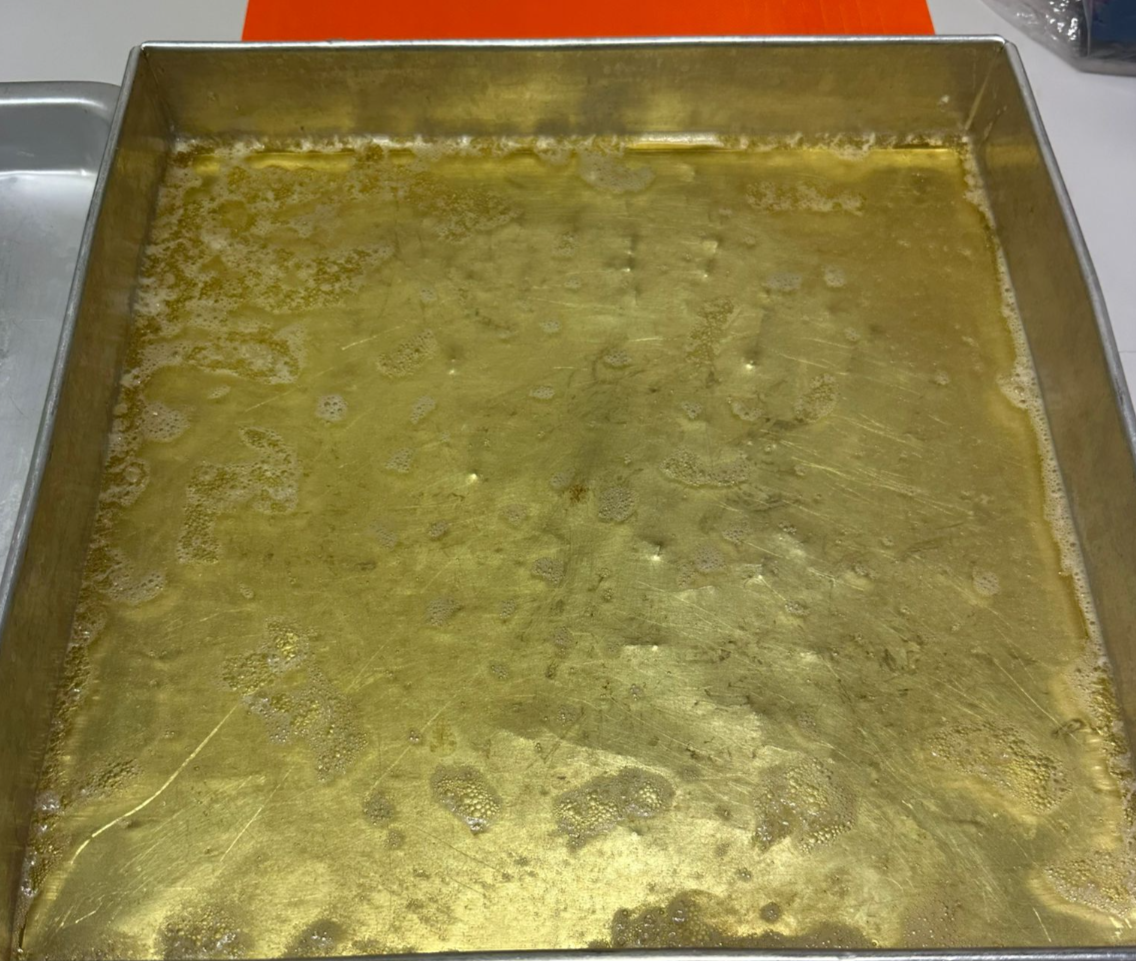
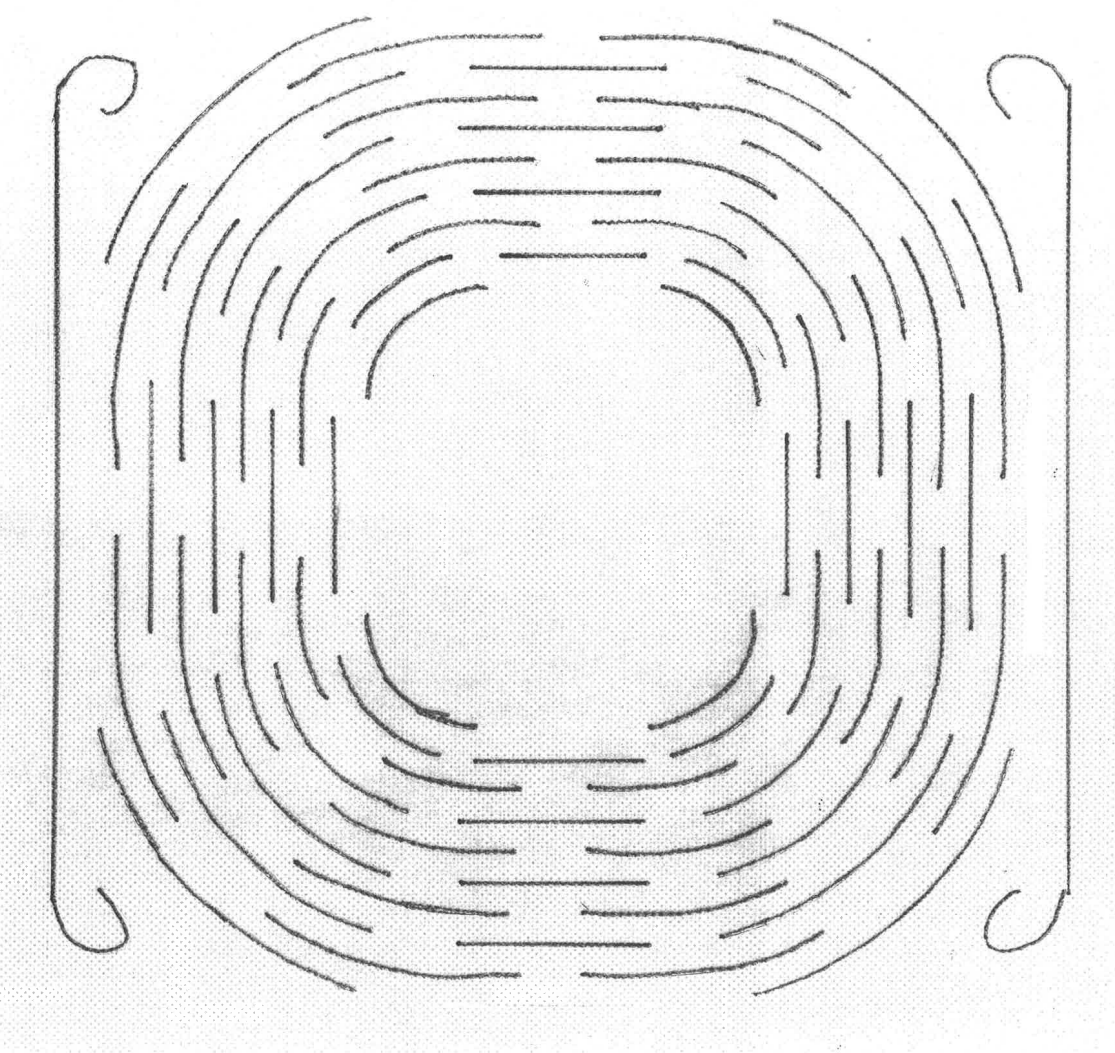
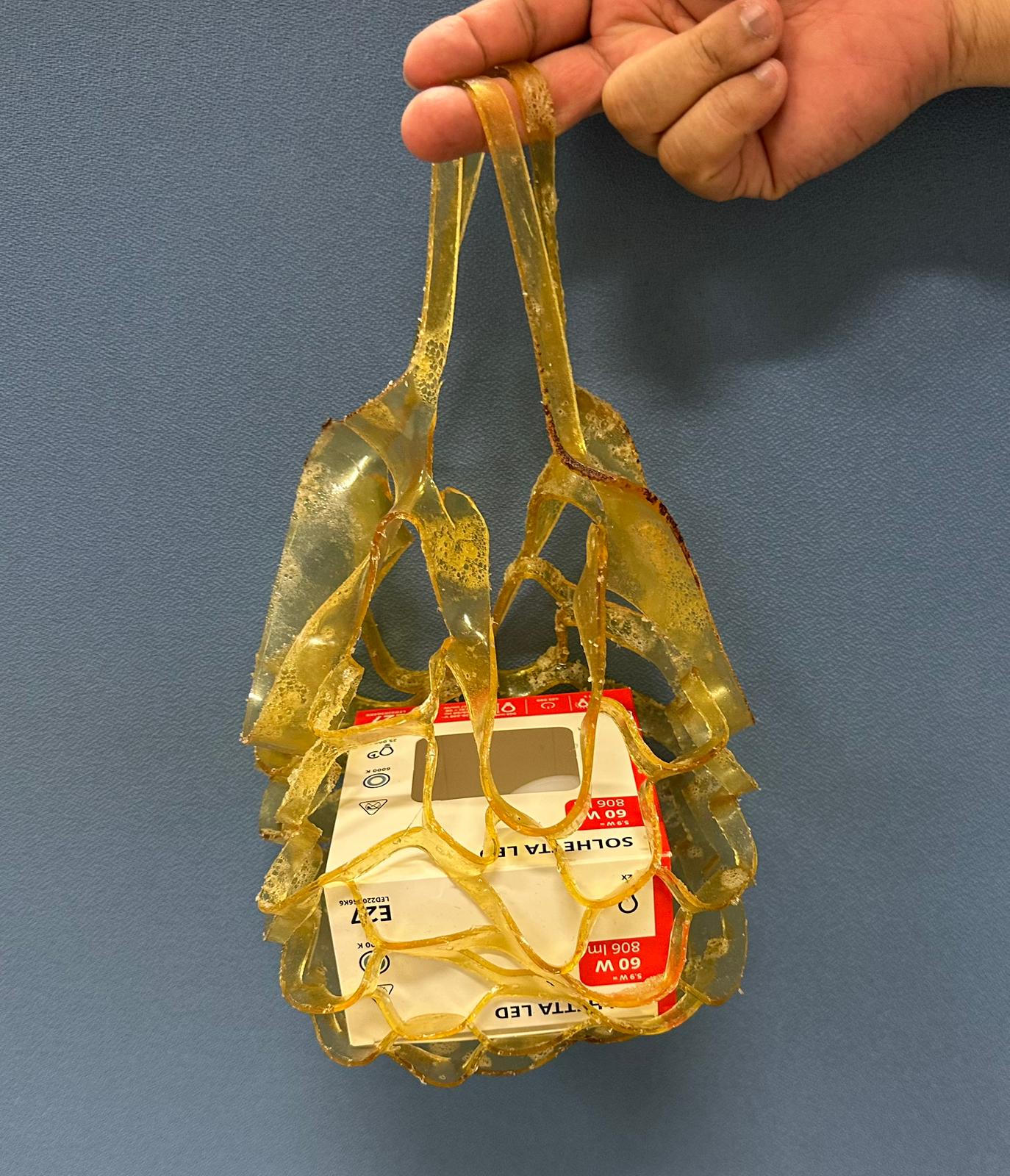
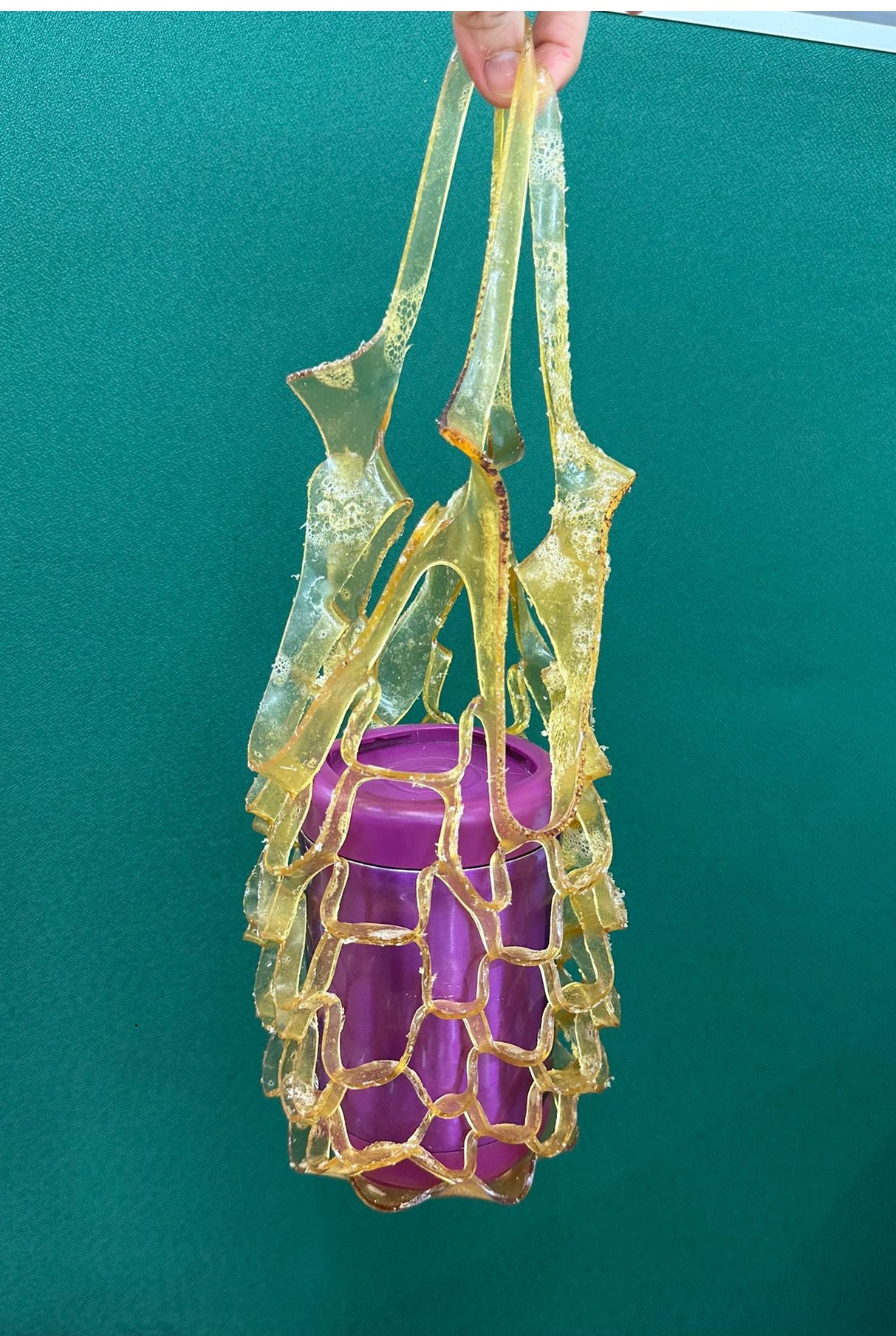
One Possible Product - BioMaterial Carrier
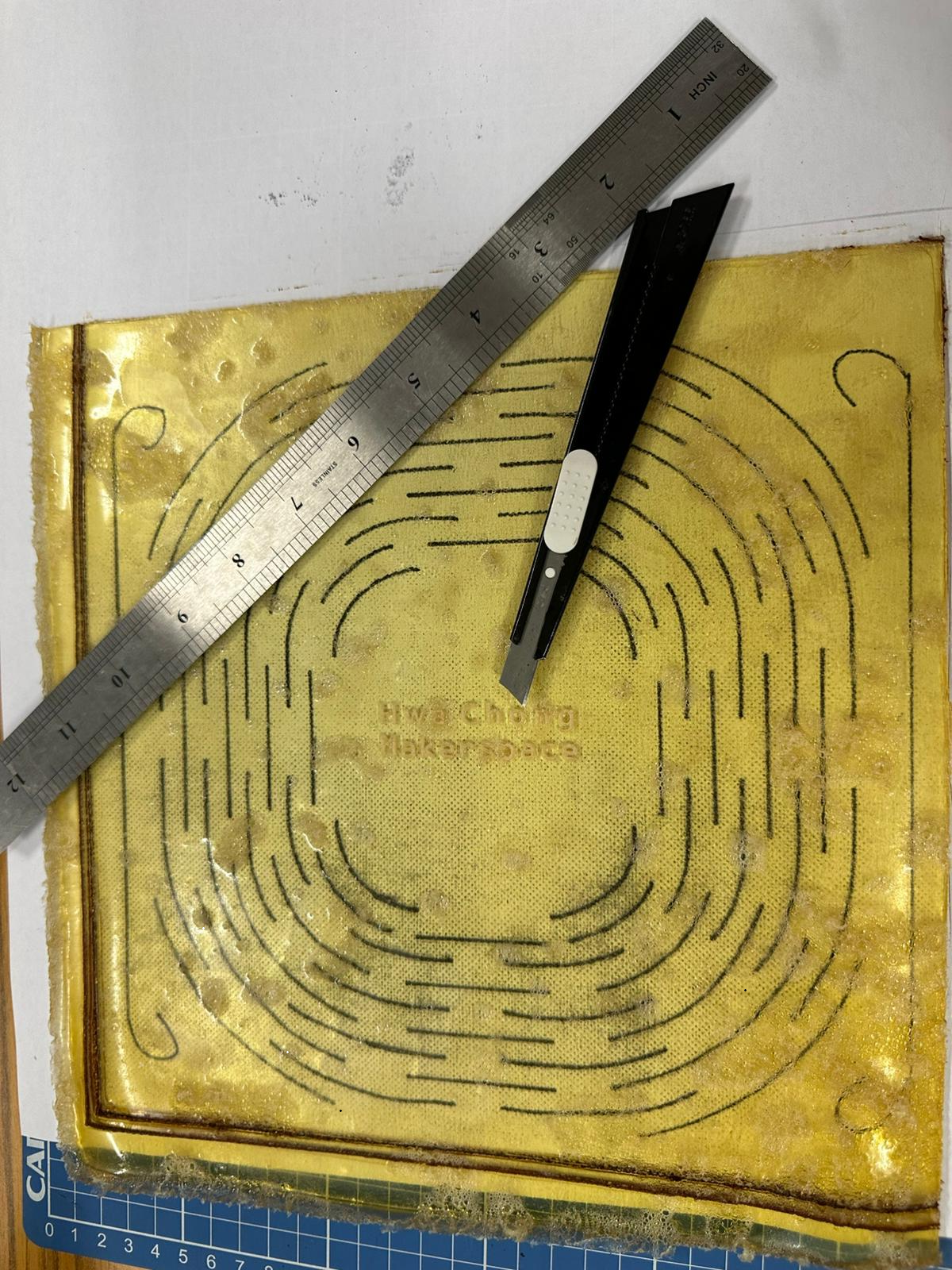
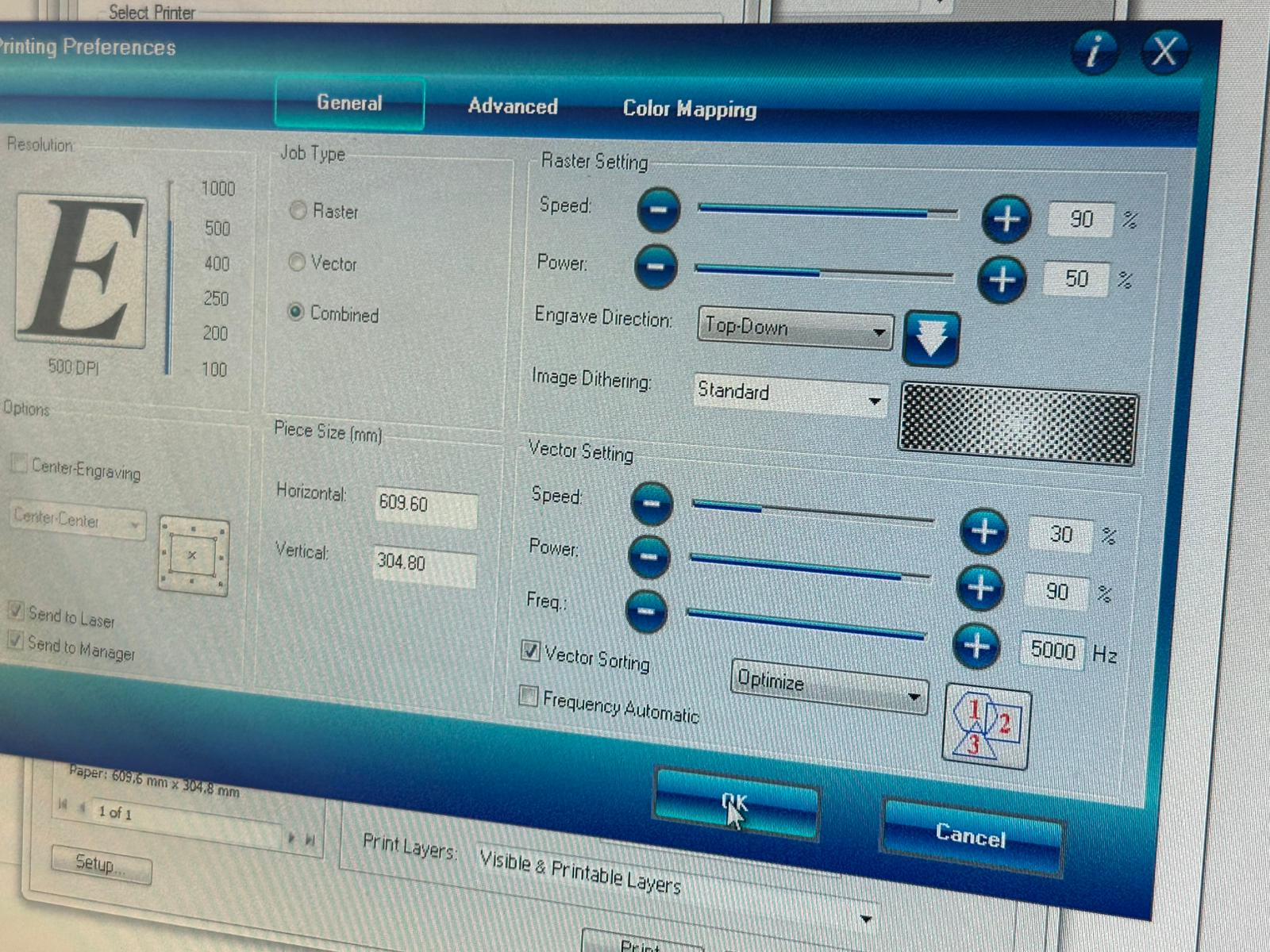
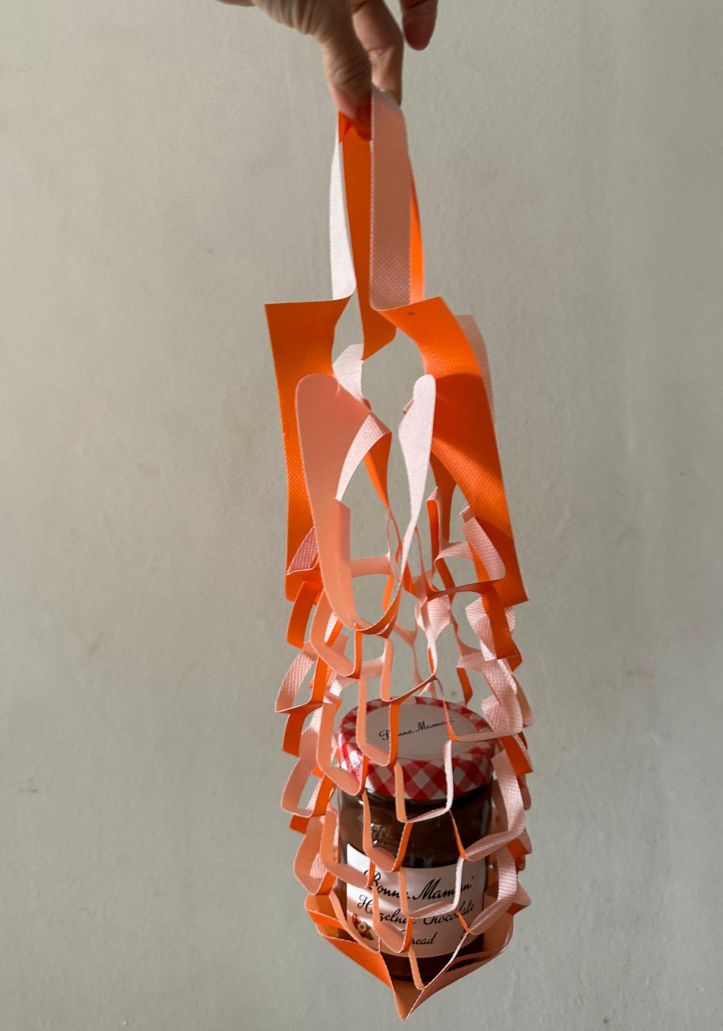
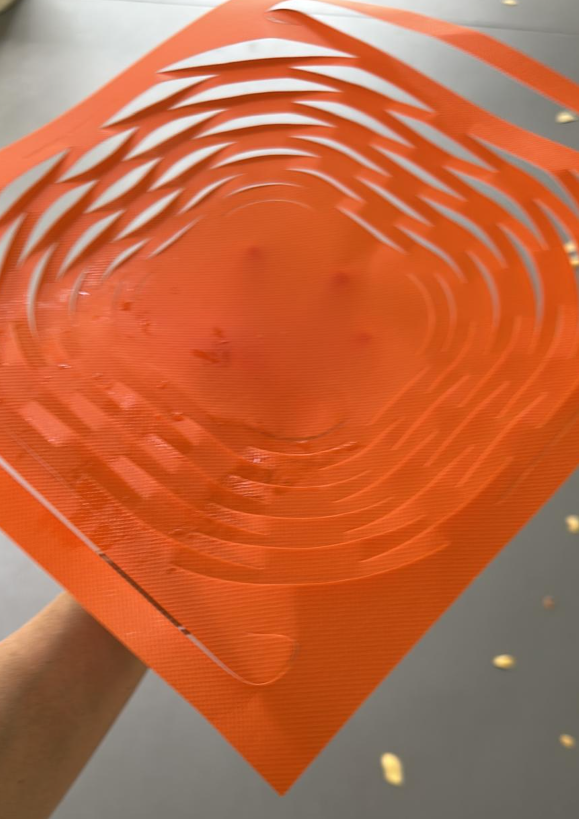
One Biomaterial Product Sample
Tools
- Weighing Machine
- Laser Cutter (Optional)
- Biomaterial Making Equipment
Assessment Protocol Reflection
I have use ChatGPT to provide feedback on the lesson plan. It has helped me to refine the lesson design.
It initially graded my lesson as a 2.4 out of 4 using the rubrics of assessment of this feild activity. * Learning Objectives 2 / 4 * DF Activity 3 / 4 * Assessment 2 / 4 * Lesson Clarity 3 / 4 * Reflection 2 / 4 I adopted some of its suggestion and guided it to generate a rubrics for students work as well.
Technology Integration: for & with kids
DF is used for the creation of the sample (carrier). Students may choose to design and use laser cutter in their final product design and it will be carried out outside lesson time. Technology will be provided and they are encouraged to work at a zone of their team’s comfort and ability.
Reflection on the Field Activity
I enjoy making the biomaterial and designing a product that utilise the biomaterial i.e carrier. I have benefit much from the use of Chat GPT to review my lesson plan. I will use it again to offer my suggestion and area of improvement in my future lesson plans. The following additonal resources which I obtained from ChatGPT help me to save planning time too.
Additional resources from ChatGPT
Teaching Slides
Slide 1: Title Designing Sustainable Biomaterial Products
Slide 2: Driving Question How can we replace plastic with sustainable materials?
Slide 3: Learning Objectives (Insert 5 objectives)
Slide 4: What is Biomaterial? Definition and examples
Slide 5: Demonstration Overview Steps and safety
Slide 6: Design Challenge Build a functional product Meet constraints
Slide 7: Sustainability Focus Biodegradability Resource use
Slide 8: Testing Criteria Load Durability
Slide 9: Iteration Process Prototype → Test → Improve
Slide 10: Assessment Rubric Show simplified rubric
Slide 11: Reflection Questions What worked? What would you improve?
Slide 12: Closing Link back to SDG 12
Differentiation for HAL
A. Experimental Design Layer Students investigate: Effect of glycerol ratio on: Flexibility Strength Deliverable: Table of results + conclusion
B. Advanced Challenge Options Waterproofing (natural coatings) Hybrid materials (add fibers, paper pulp) Redesign for a specific user group
SCOPES
Click this link below to find out more! Scopes Lesson