Module 4 Week 1- 16 Feb
Assignment
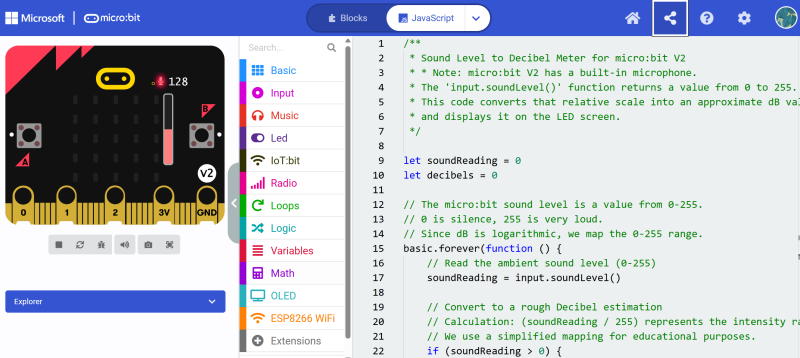
- Task: Microbit to measure Sound and Display Reading in Decibel This project transforms a micro:bit into a portable sound pressure level (SPL) meter. It continuously samples ambient environmental noise and converts the raw analog-to-digital data into a readable decibel ($dB$) format. This is useful for monitoring noise levels in classrooms, libraries, or workspaces.
Process
- Hardware Specifications
- Microcontroller Board: BBC micro:bit V2.
- Sensor: Built-in MEMS (Micro-Electro-Mechanical Systems) Microphone.
- Actuators: 5x5 LED for numeric Display: The LED matrix scrolls the converted decibel value (e.g., “65”) so the user can read the volume level.
-
Built-in Microphone LED: (Front-facing) Lights up automatically when the microphone is active.
-
How it Works What is being measured? The MEMS microphone measures sound pressure waves. The micro:bit’s processor converts these waves into a digital “Sound Level” value ranging from 0 (total silence) to 255 (maximum loudness). Visual Alert: The code is programmed to trigger a “No” icon (X) on the LED matrix if a “Loud” sound event is detected, providing immediate visual feedback for noise violations.
Code
- Code is create with the help of Gemini.
- https://makecode.microbit.org/S81801-91044-34933-99992
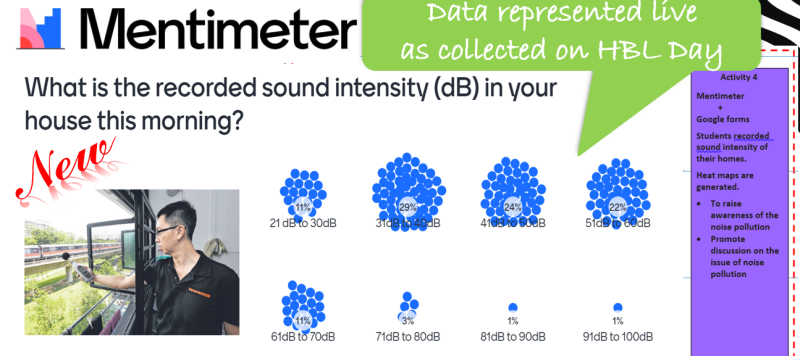
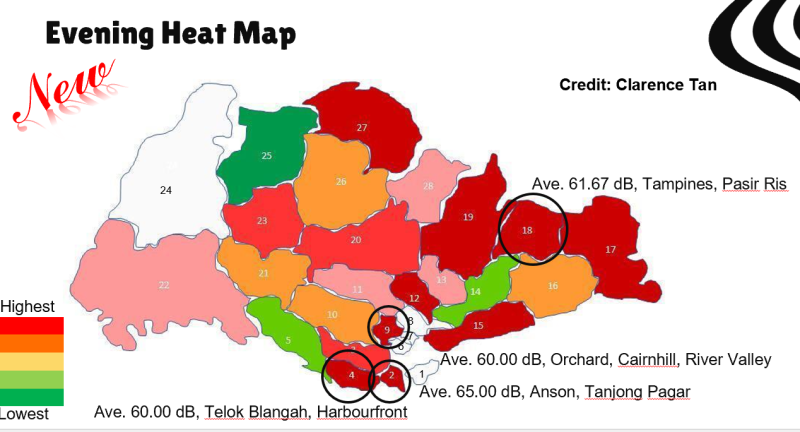
We had a home based learning package where one of the activities is to get students to measure the sound level at their home and submit their readings as well as their postal code. Using such “big data”, we generate heatmaps and guiding students to make conclusion and provide them with examples of meaningful authentic data representations are some of the strategies we used in class and lesson design.
Heatmap of Singapore
Reflection
Question 1: Did you bring several disciplines together in your own teaching? Do you collaborate with teachers in other disciplines? What are the opportunities and challenges.
I frequently bring in other disciplines in my own teaching.
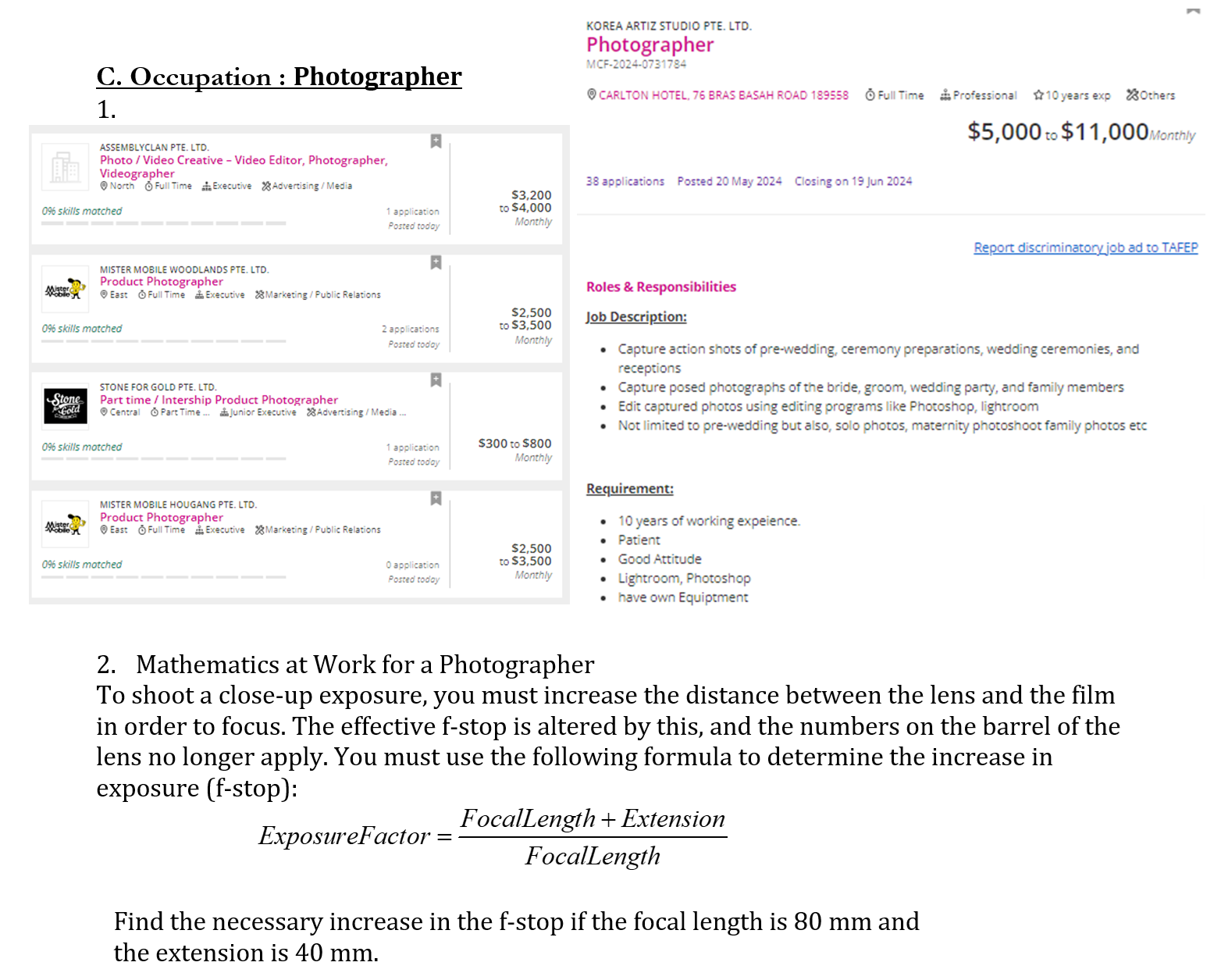
Math
Careers
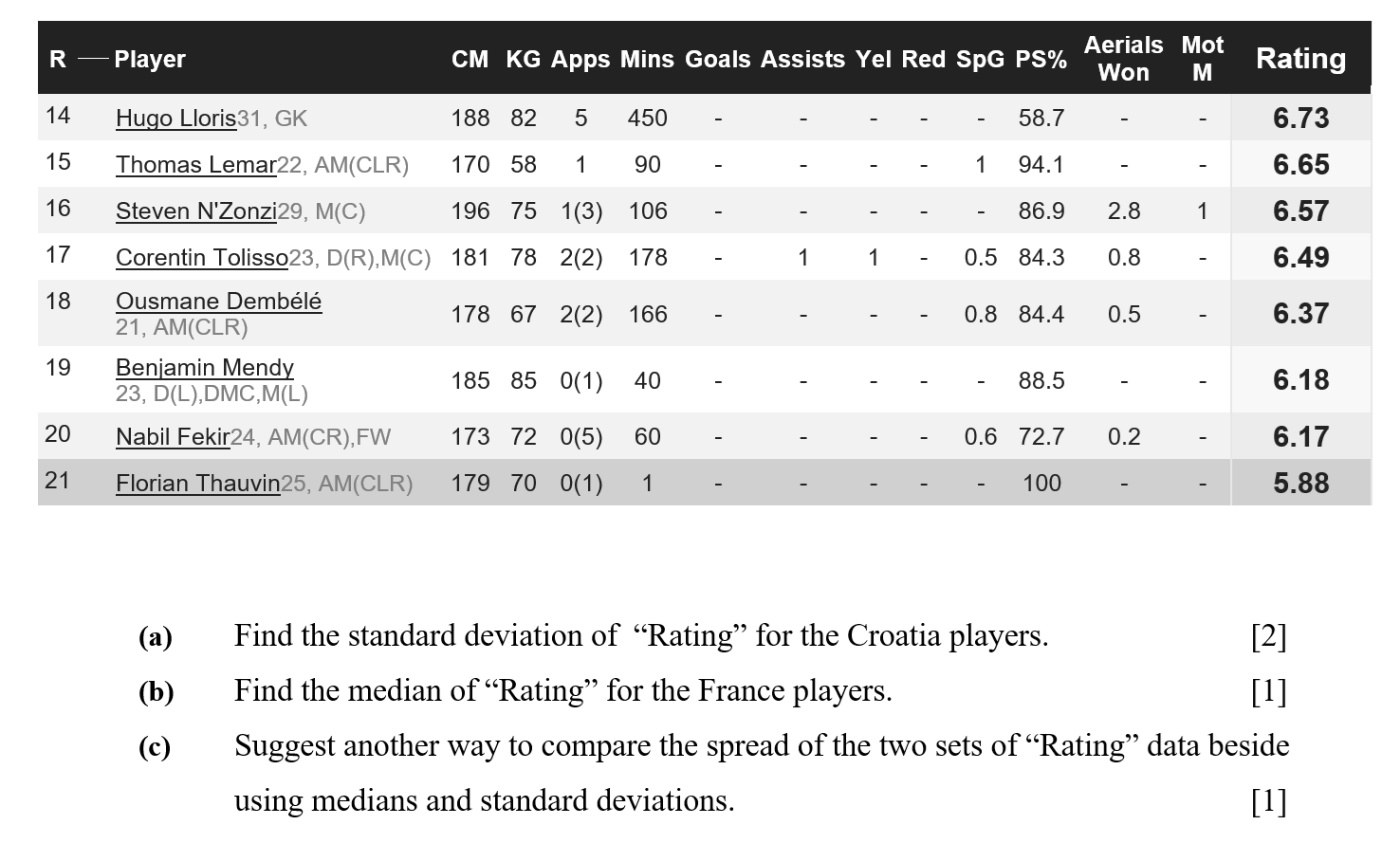
Math
Sports
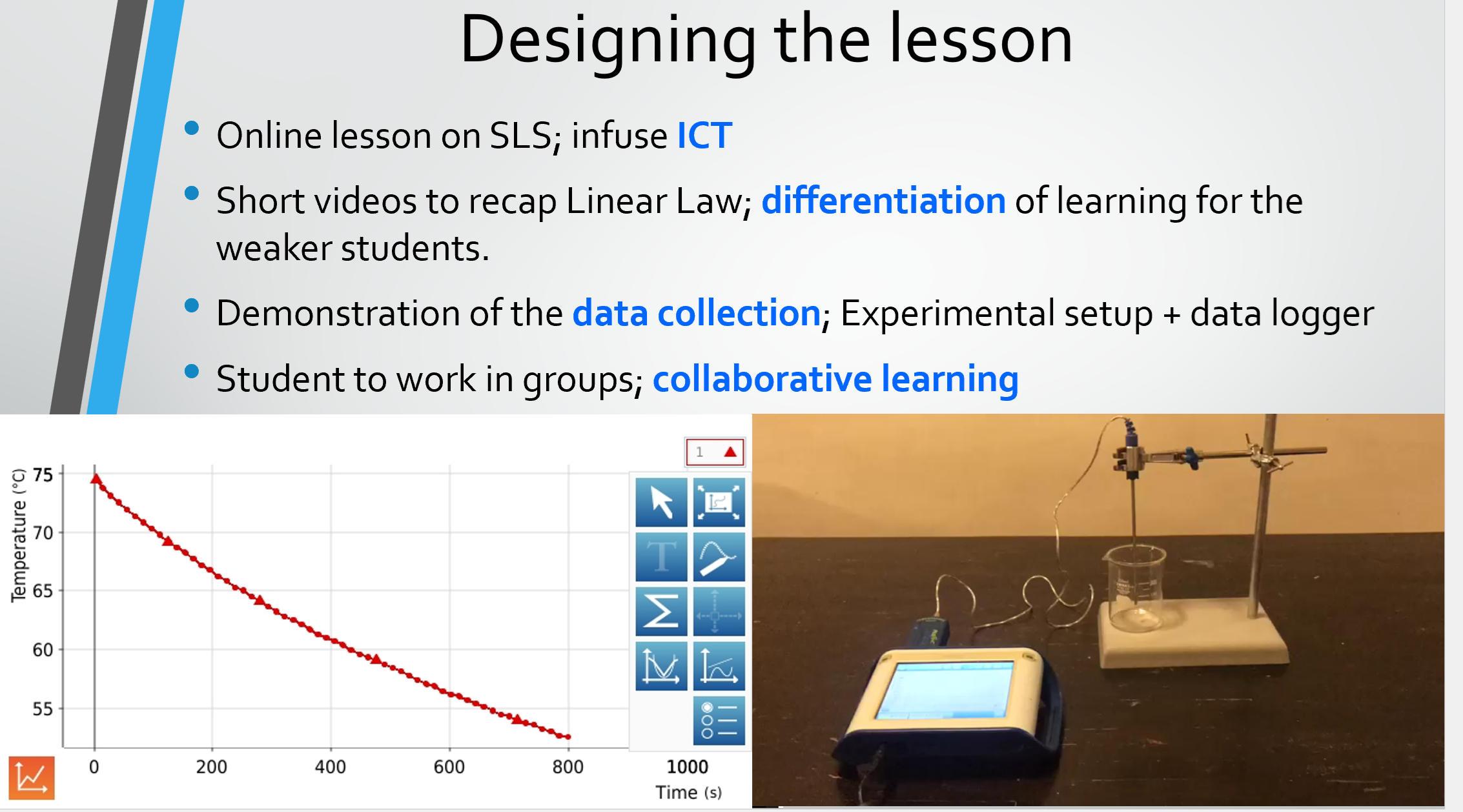
Math
Physics
Question 2: After the definiton of computational thinking? Are you somehow using computational thinking in your teaching? How? Do you think you can take advantage of computational thinking? How?
Computational thinking (CT) is a problem-solving process that involves breaking down complex issues into smaller, manageable parts (decomposition), identifying patterns, focusing on important details (abstraction), and designing step-by-step solutions (algorithms). It is a fundamental, non-computer-specific skill used across various disciplines to create efficient, automated solutions.
Teaching students to look at simplier case to solve first, checking for patterns in the algebraic equations, aware of key words and key concepts, and use of flow charts as a heuristics are some of the many examples that computational thinkings are taught, demonstrated and encouraged in class.
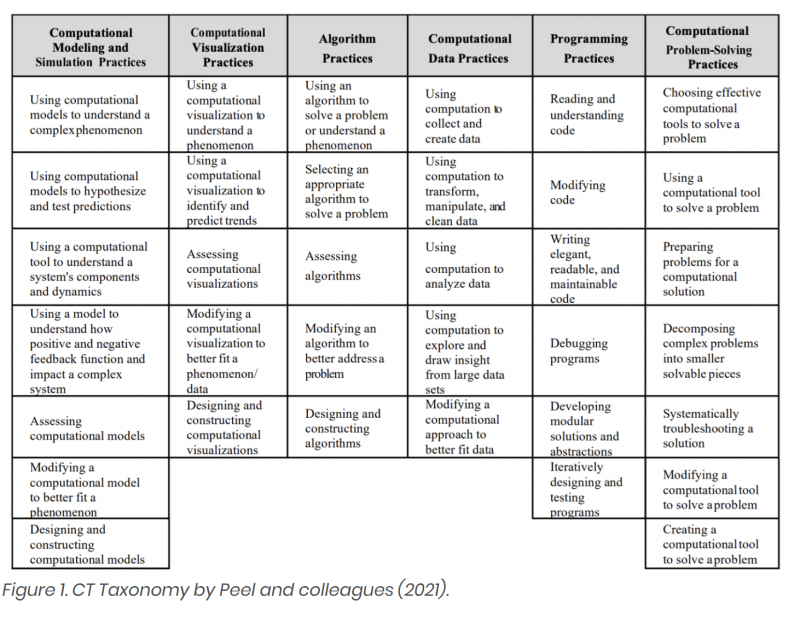
Tools
- Microbit