Week 1.Collaboration and Assessment.3D printing
This week I should need to fabricate a 3D object with a 3D printer.
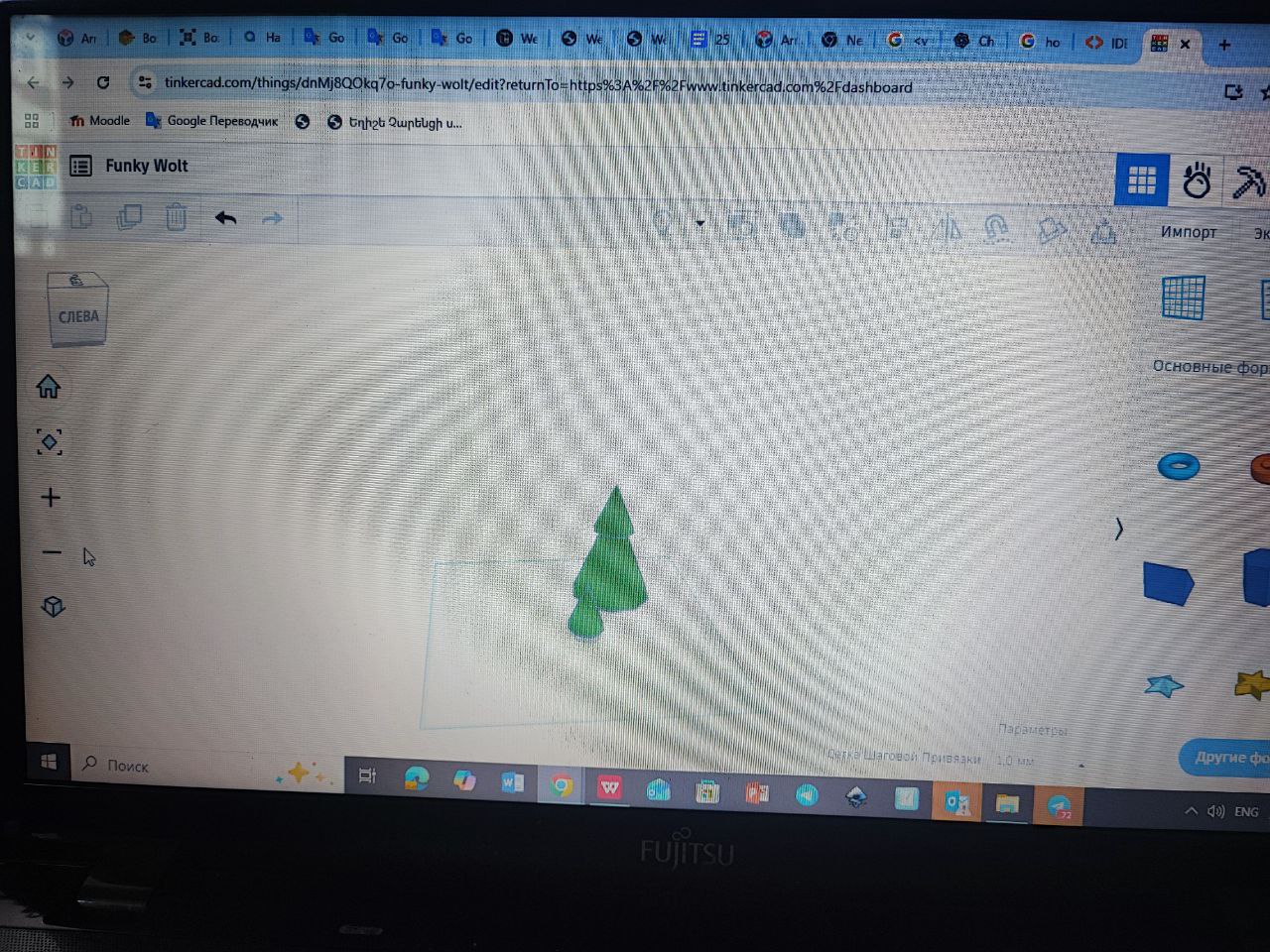
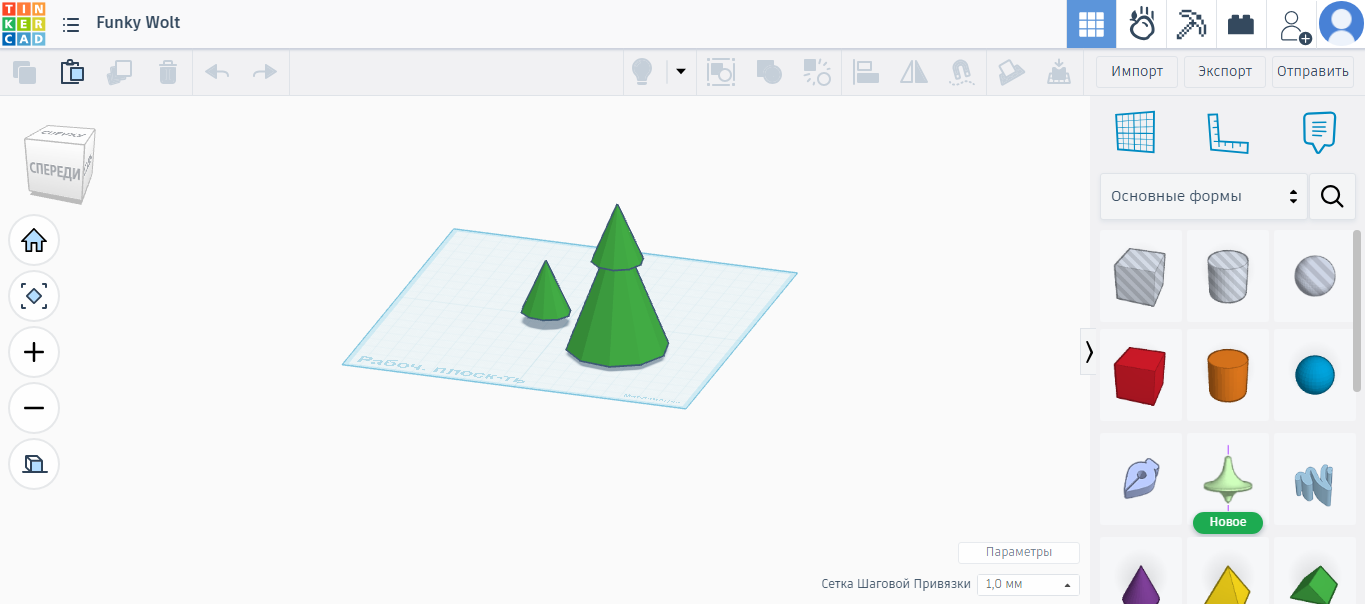
This week I had to create 3D objects and print them on a 3D printer. First, I worked in TinkerCad. I tried creating objects, changing parameters, and so on. In the picture, you can see the created fir trees, one of which consists of two parts.
 I decided to 3D print the idea of a foosball ball from the hallway at our school.
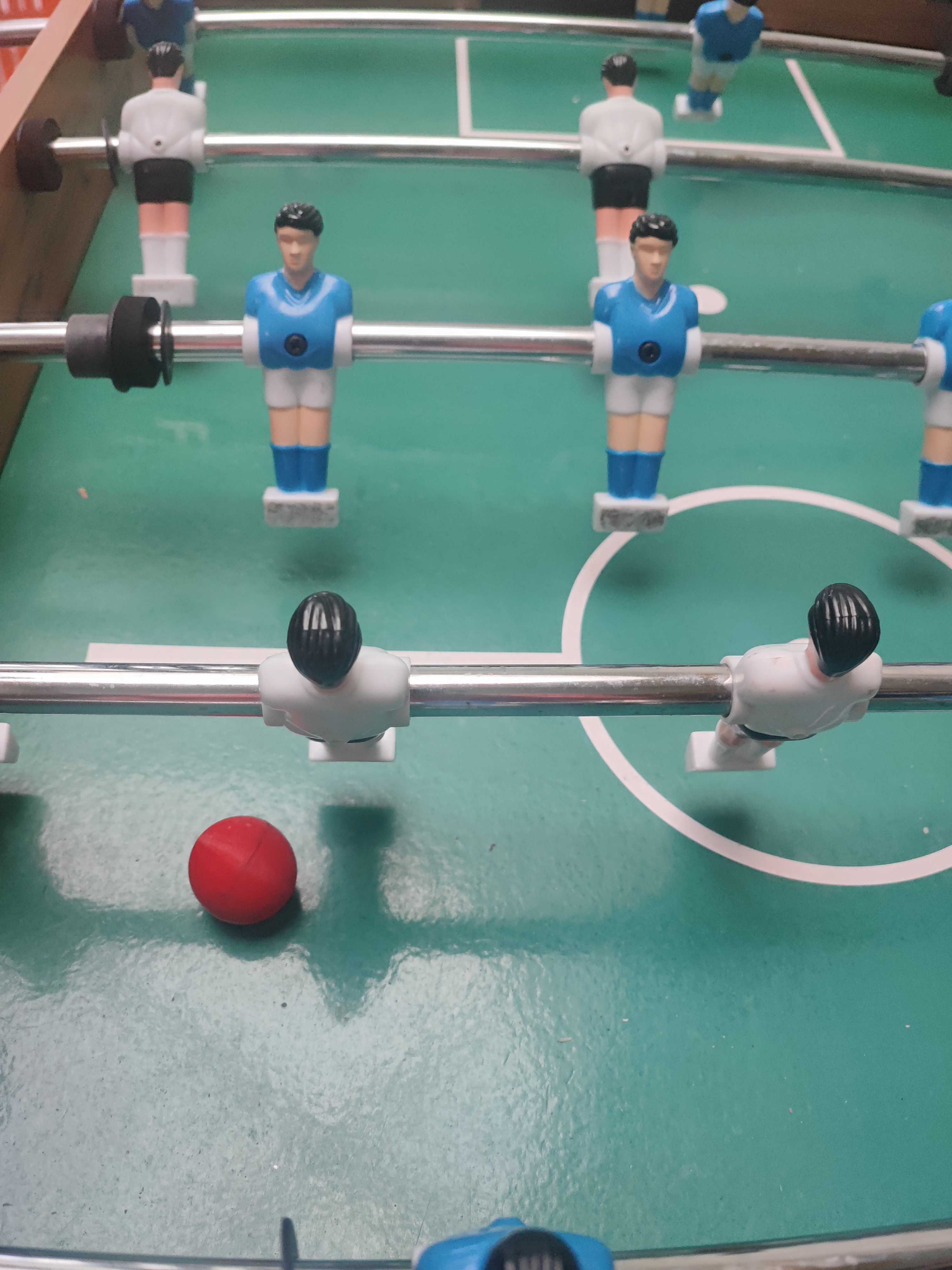 The ball had been lost, so I needed to create a new one.
I chose TinkerCad to create the 3D model.
The ball had been lost, so I needed to create a new one.
I chose TinkerCad to create the 3D model.
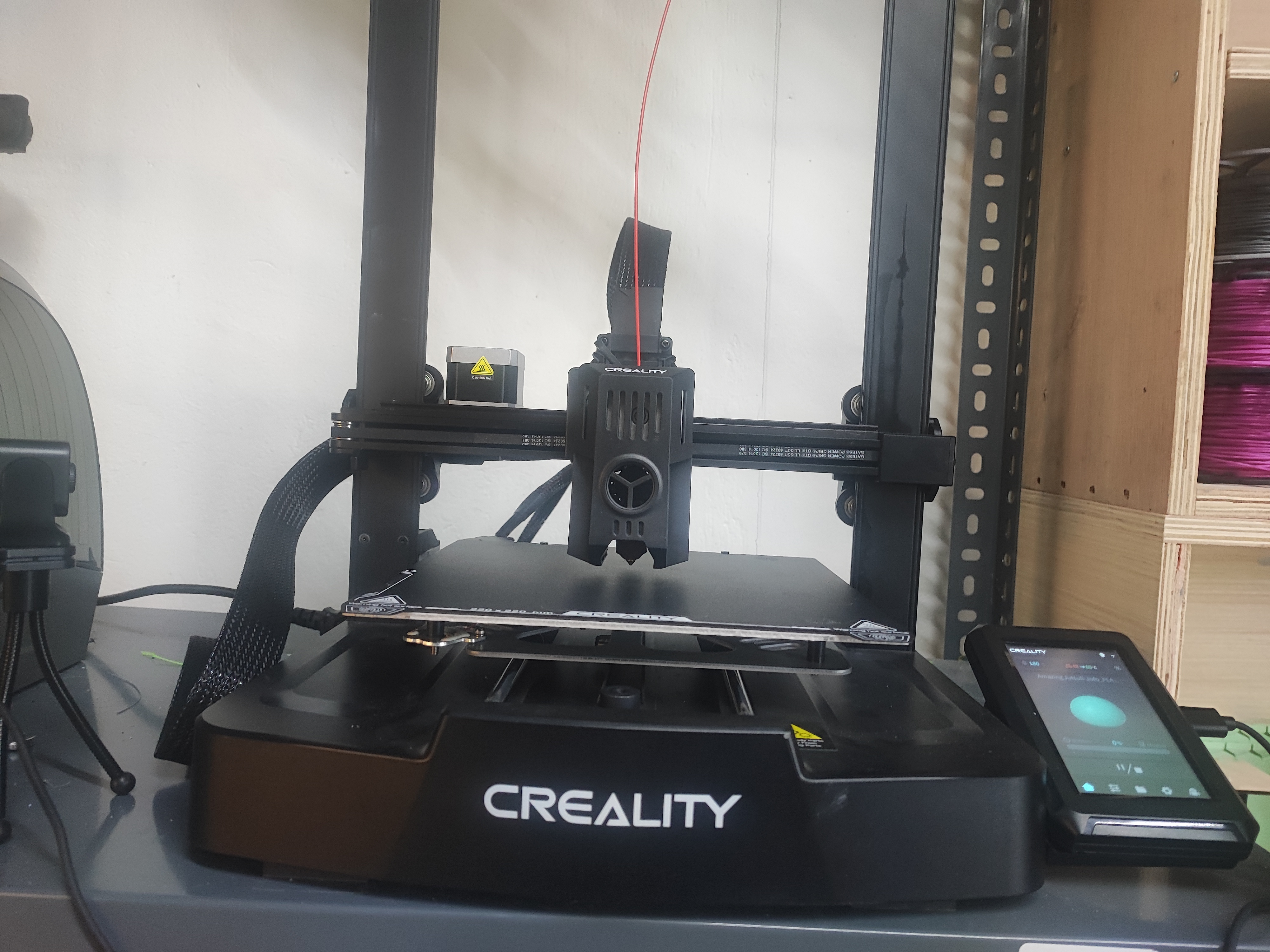
This is the printer I used to print the 3D model of the ball. I chose red filament so that the ball’s color would contrast with the color of the football field.
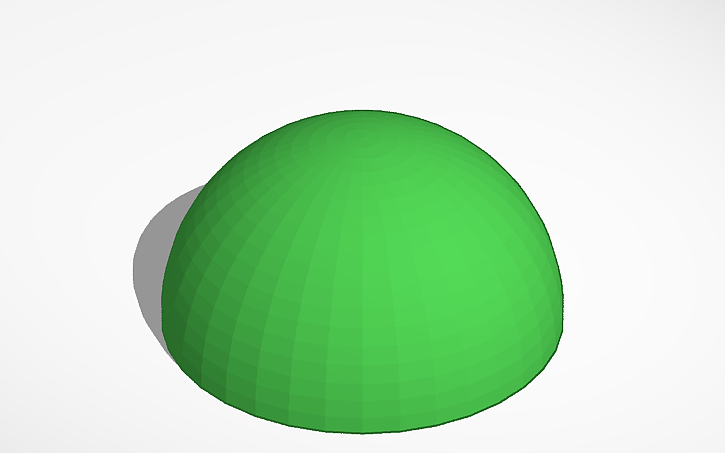
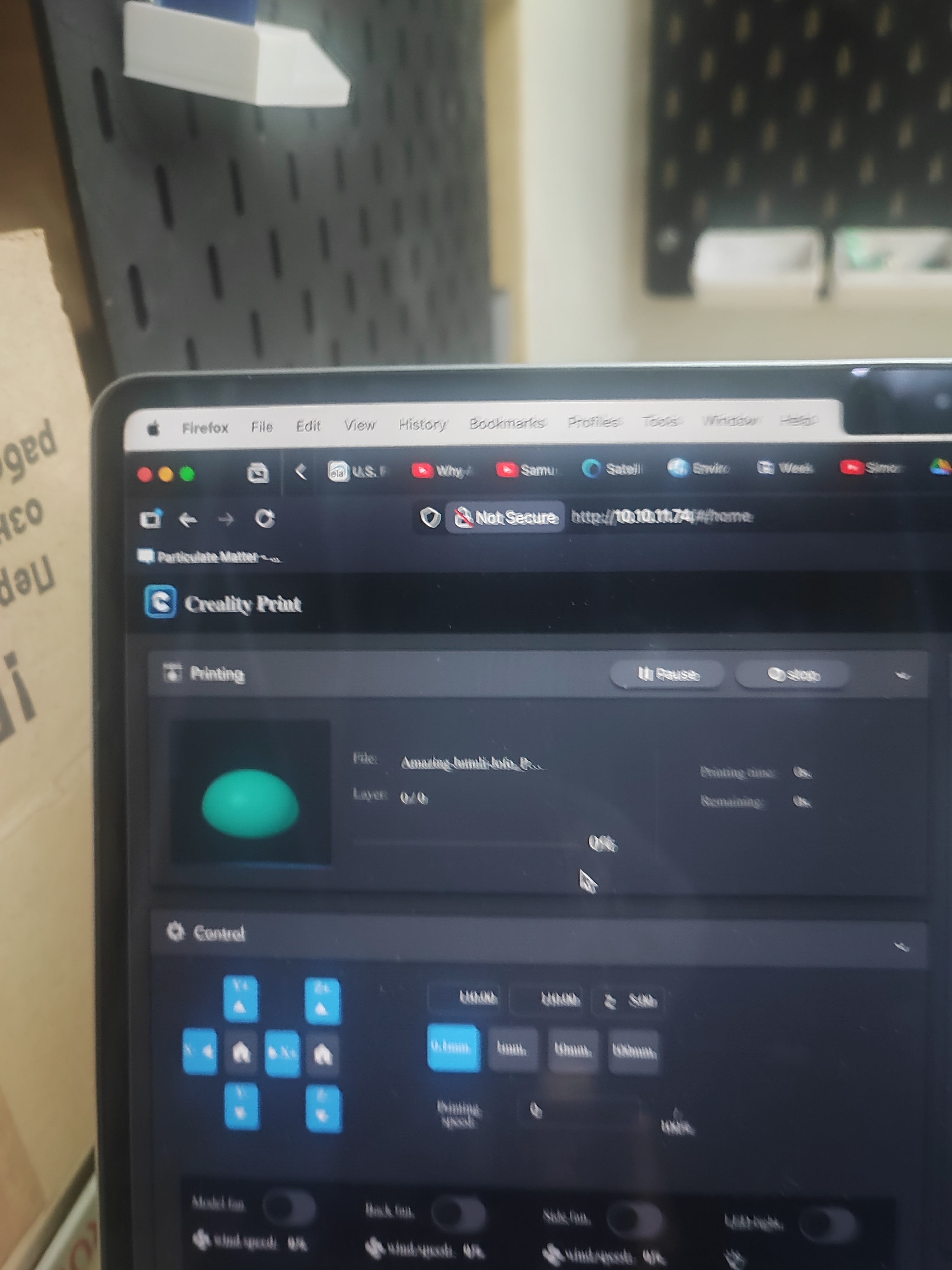 To ensure the ball printed and was centered correctly, I printed two hemispheres and then glued them together.
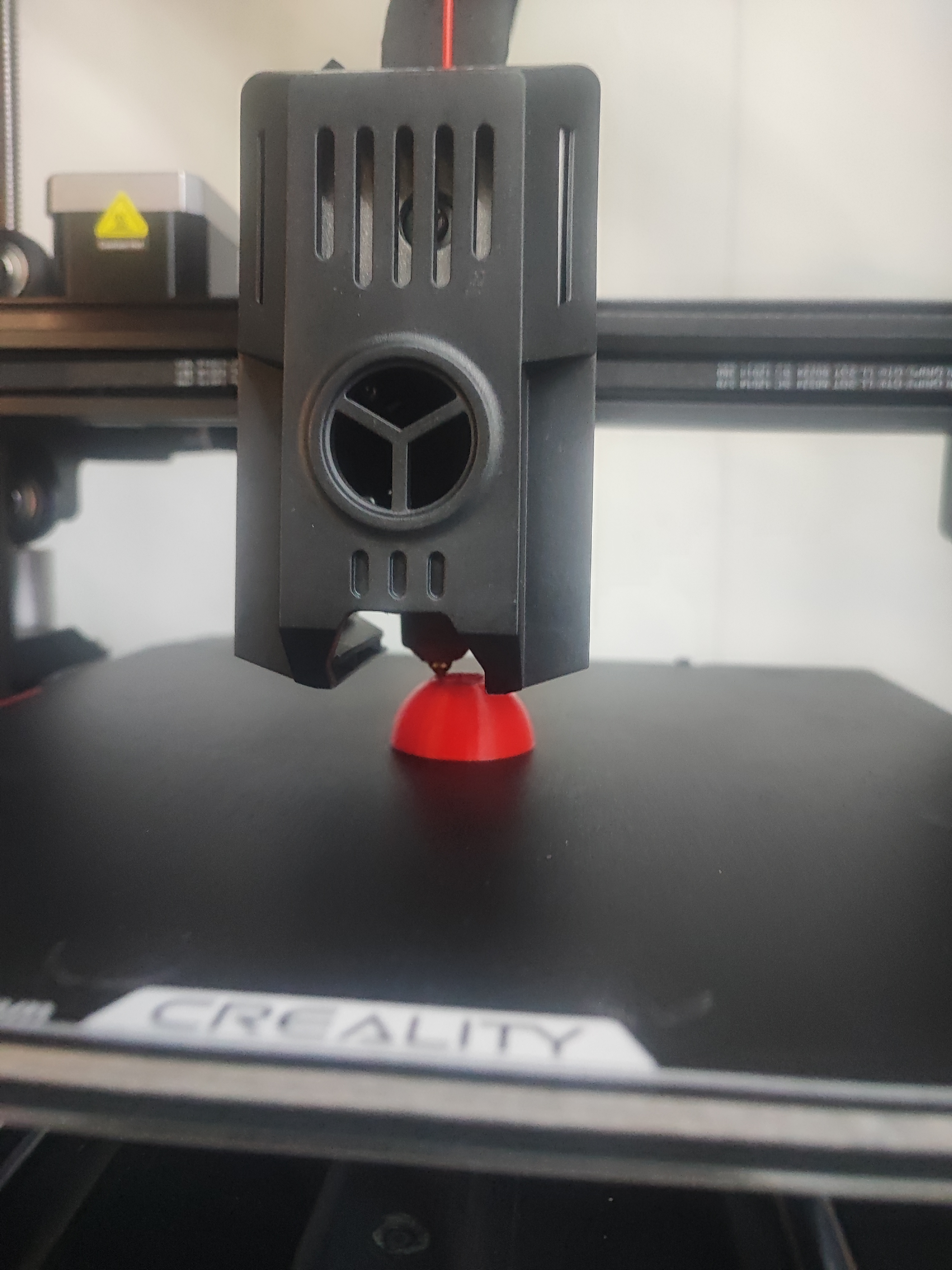
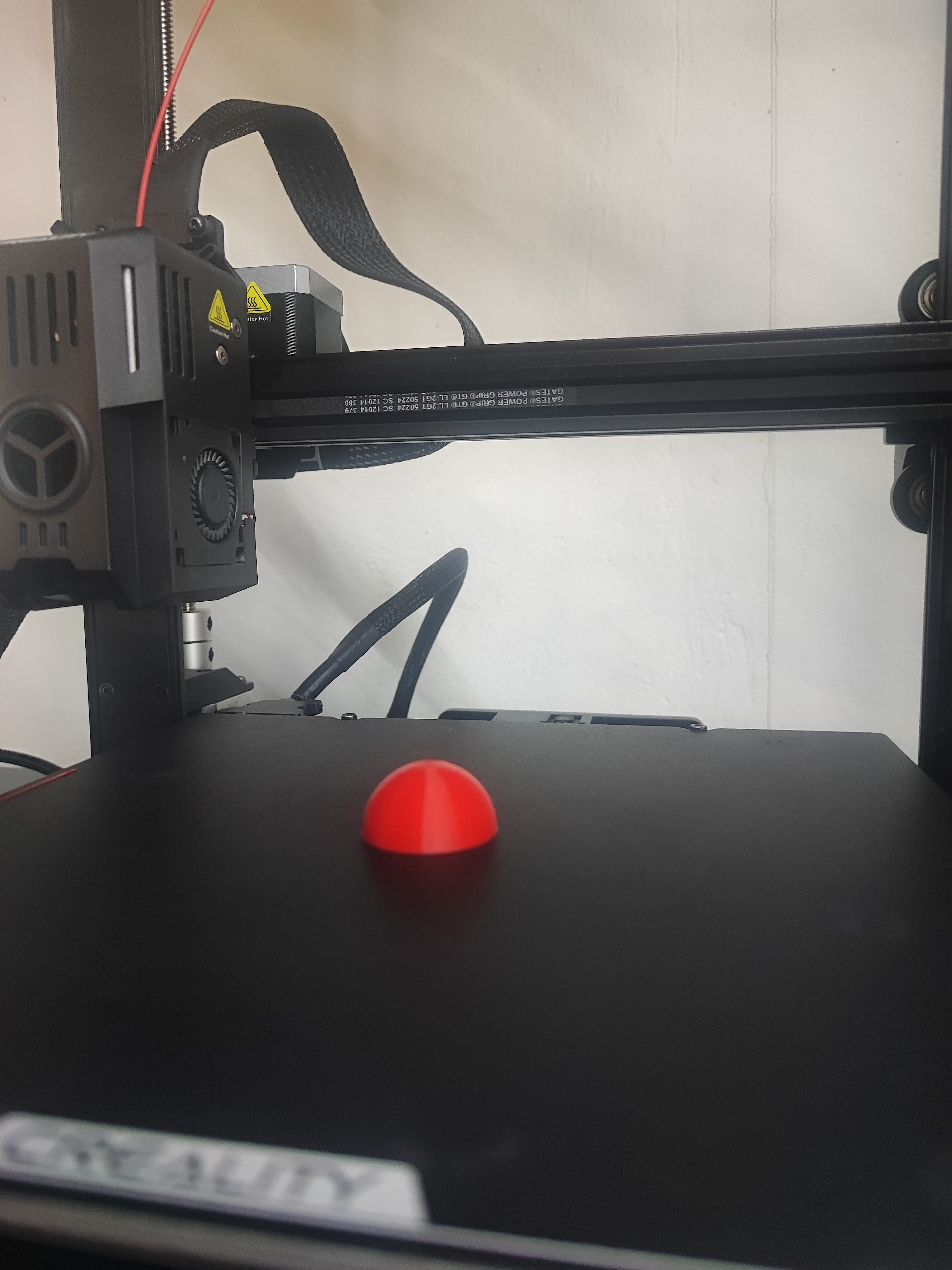
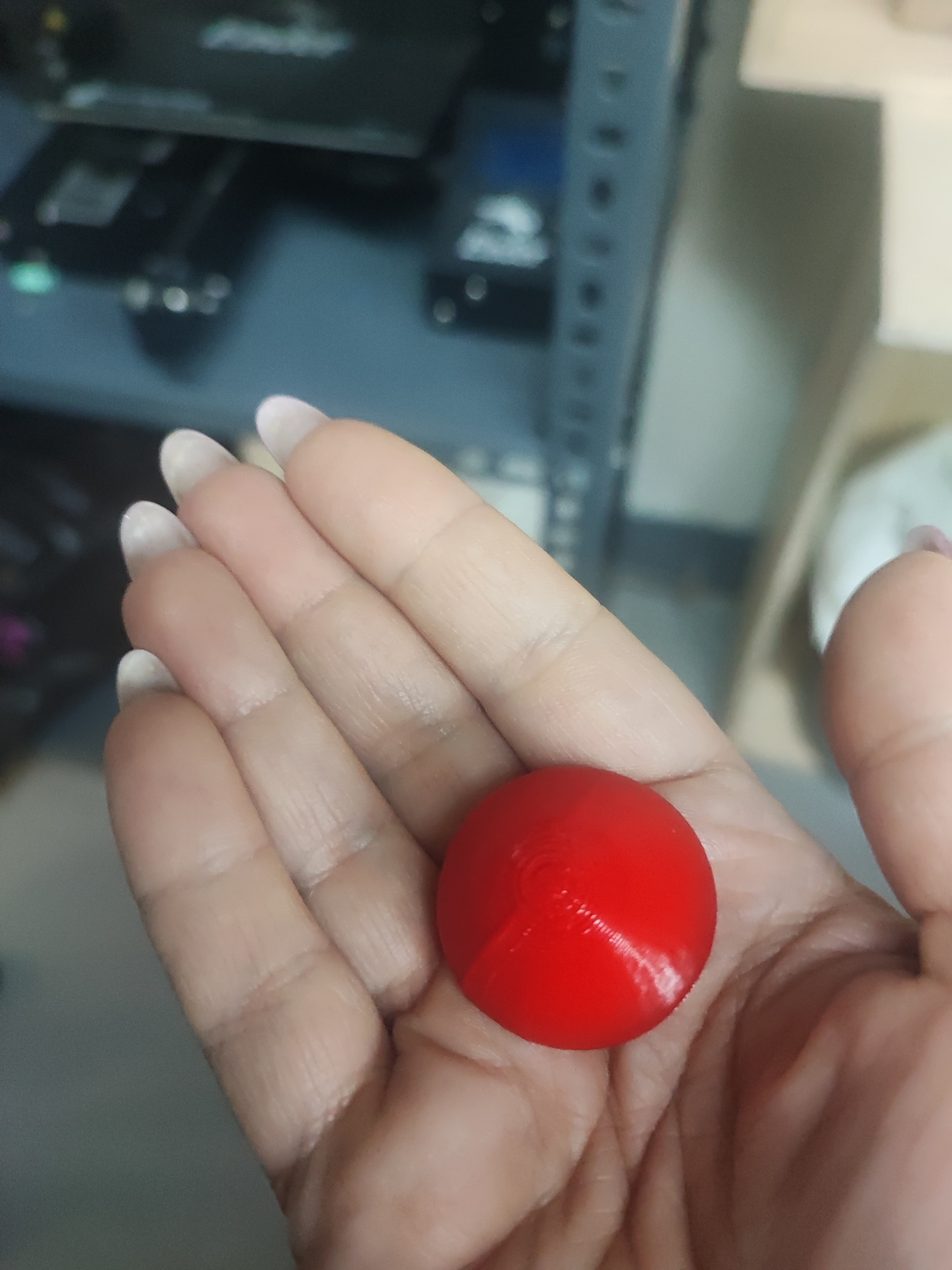 This is result:
Reflection
1. Are you planning to use the fabricated object in your classroom? If so, how?
Yes, I’m planning to use the object when playing table football. I think this type of object (i.e., 3D geometric figures) can be used in math lessons.
2. Consider a learning activity involving 3D printing. How could it be aligned with your curriculum / standard? What are the challenges?
You can model a lesson in a variety of ways. For example, it could be a math lesson, a geography lesson, or a science lesson, where you’ll need to print out various educational materials. For example, a model of a human organ, a geographic object, or a geometric figure.
For example, we can use 3D printing technology to create a model of the human brain. To do this, we can create 3D models of the parts in advance, print them using different filaments, and then combine them into a single whole. As part of STEM education, this will be in line with the standards and curriculum in our school. In our curriculum/standard, this will be combined as the final part of the project-based learning.
The main challenge will be creating a 3D model using software and the students’ difficulty with 3D perception.
3. Explain one successful educational activity in which you collaborated with other educators. What are the advantages and disadvantages of working with other educators? What are the main aspects to take into account to prepare an education activity among 2 or more educators?
As someone who doesn’t teach a specific subject at school, I can only recall examples of collaboration with subject teachers as part of social learning. For example, I successfully created coasters with decoupage elements for a Mother’s Day gift. In this case, I collaborated with an art teacher. The advantages of collaborating with other teachers include the division of responsibilities and the pooling of knowledge. A disadvantage is the different understanding of lesson management and objectives, which can be overcome by discussing problems and their solutions. Proper time management and curriculum alignment are essential.
Tools
- Software
- plastic filament
- 3d printer