Week2. Sustainability. Biomaterials.
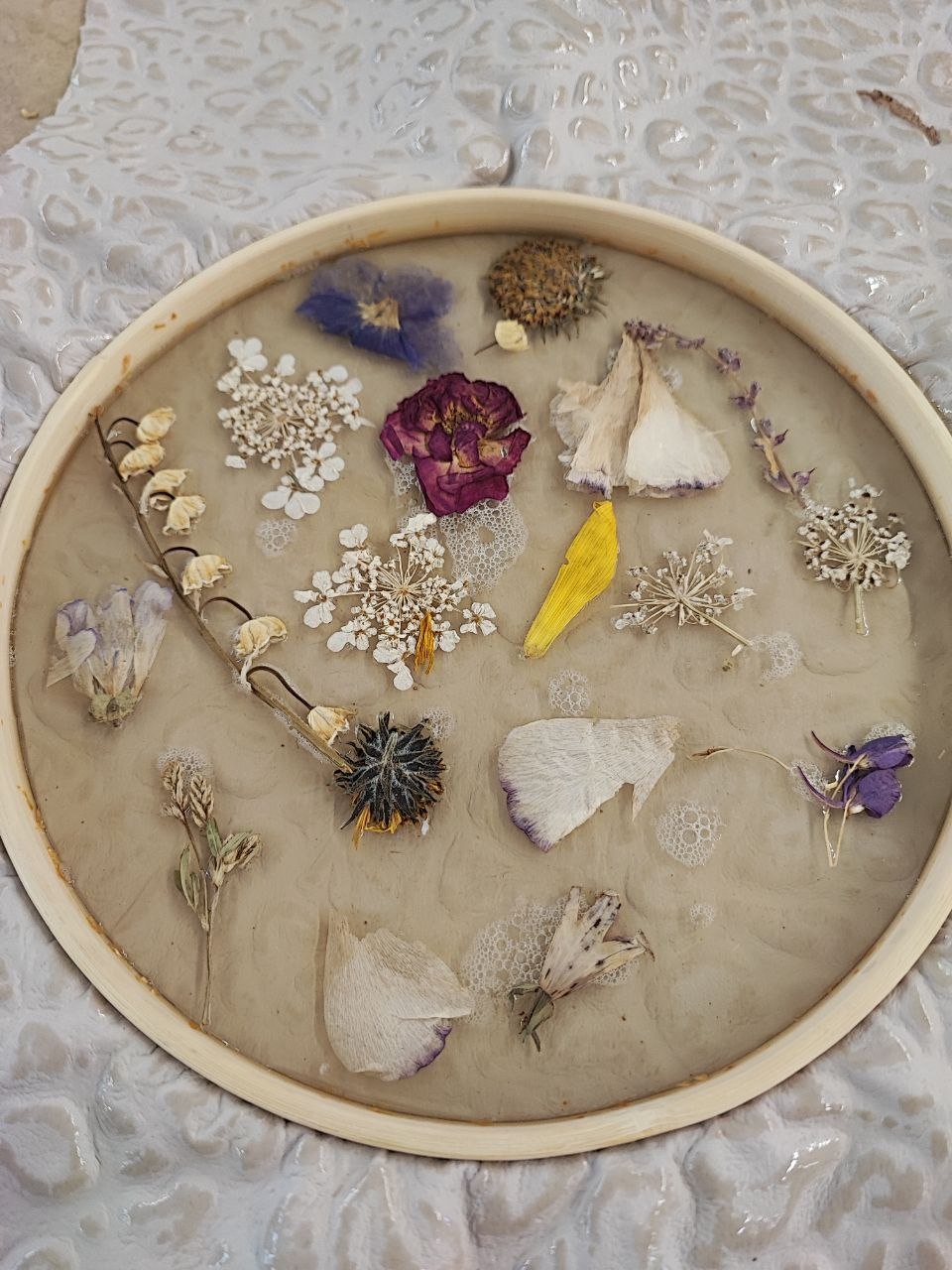
This week I prepared two types of special biomaterials (animal and plant-based) using only natural resources. During production, I used dried flowers, coffee and natural threads as additional resources.
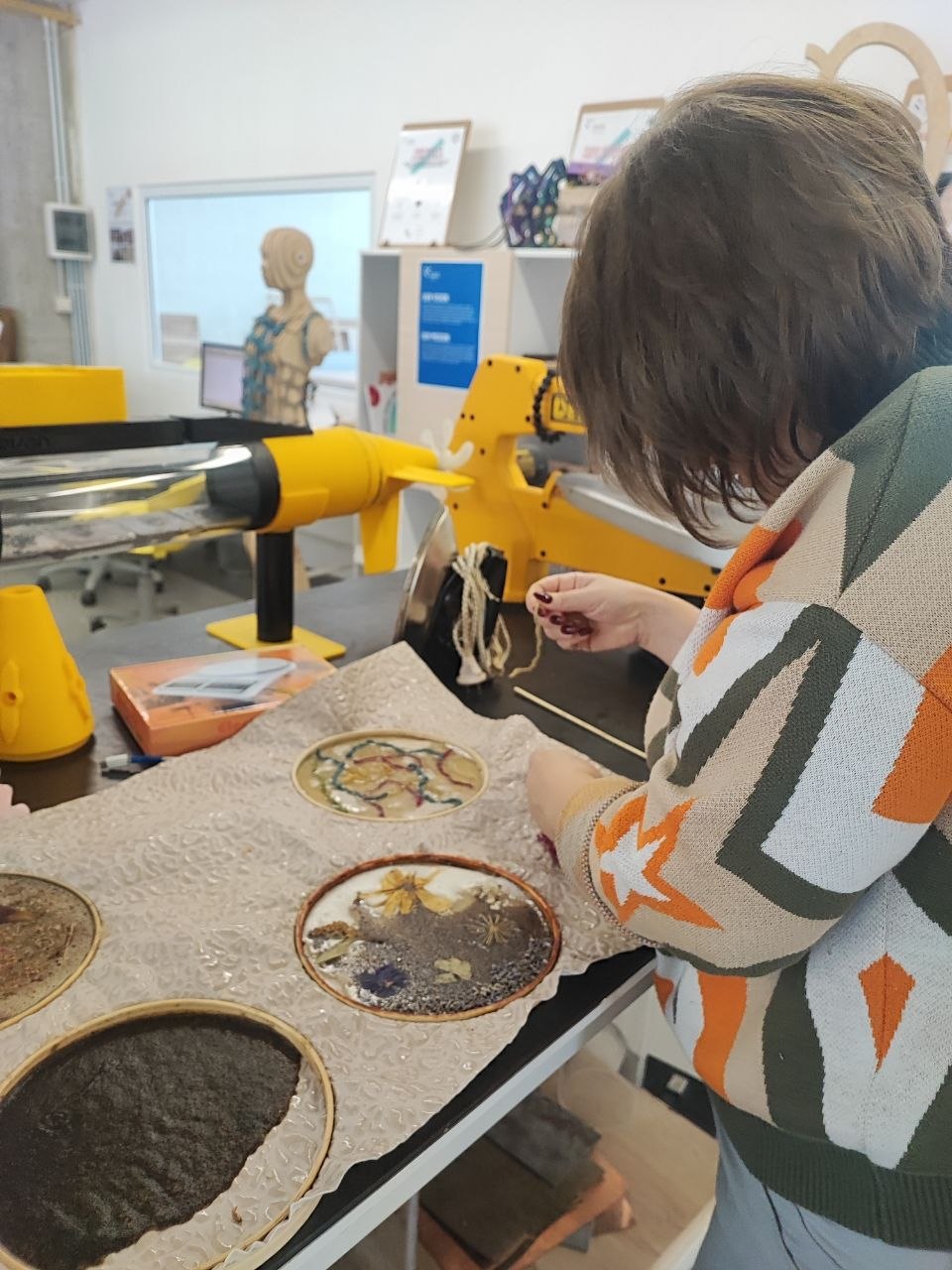
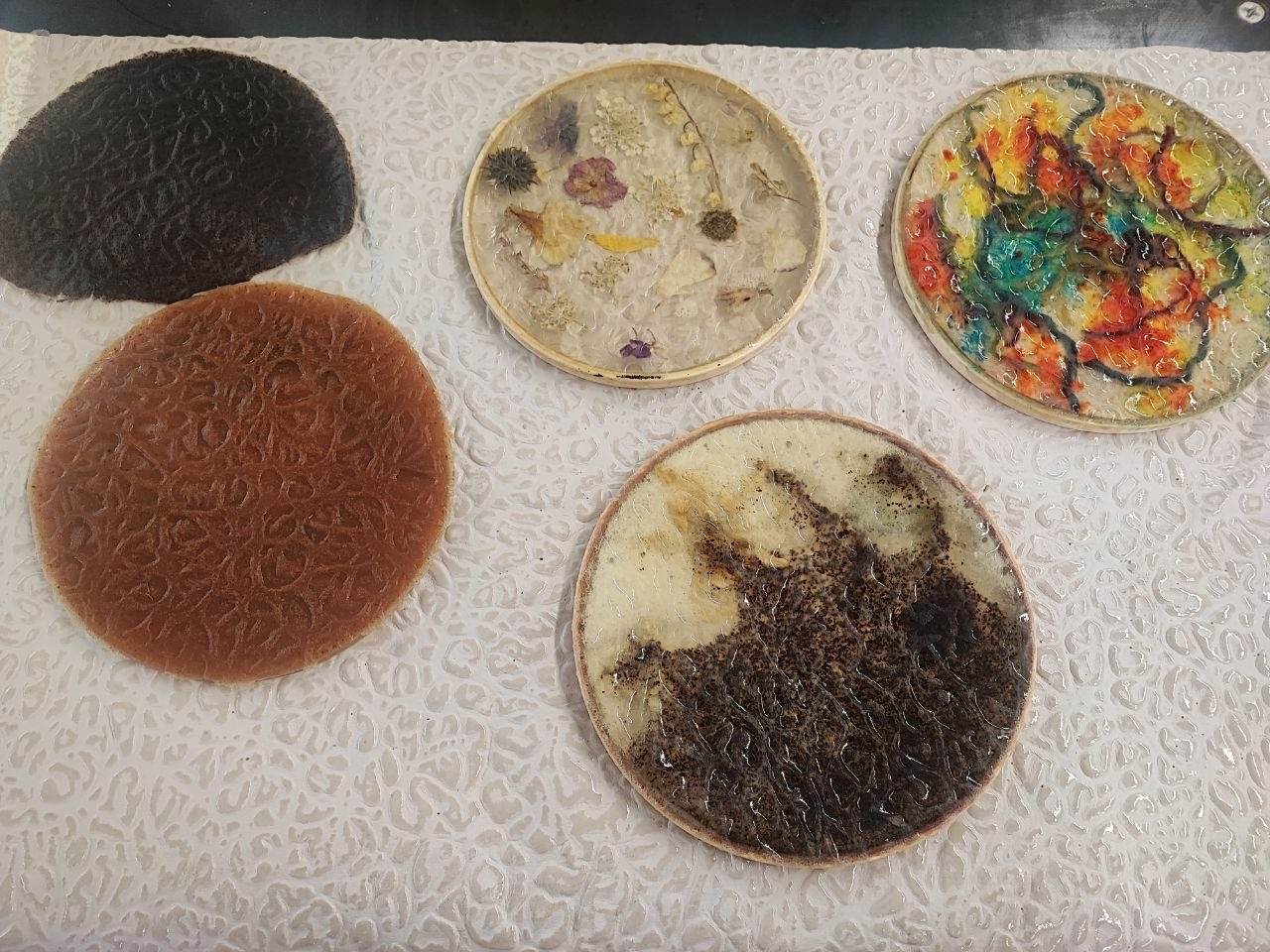
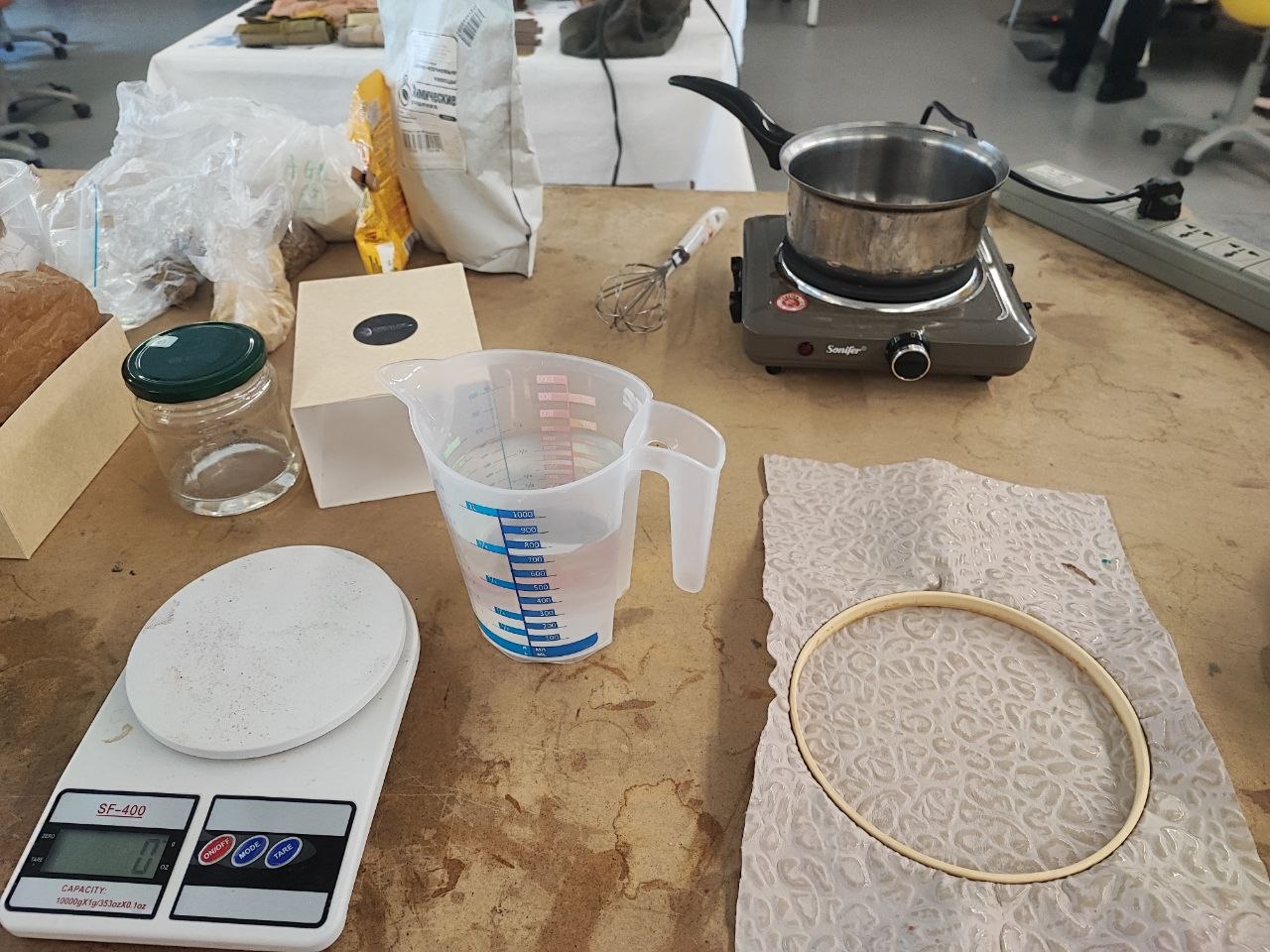
Animal-based biomaterials’ recipe
-
Glicerine(g) 0-rigid, 24-normal, 48-elastic
-
Water(ml) 300
-
Gelatine(g) 12
dried 3-7 days
I made the biomaterials with normal consisitence with flowers, colors, threads
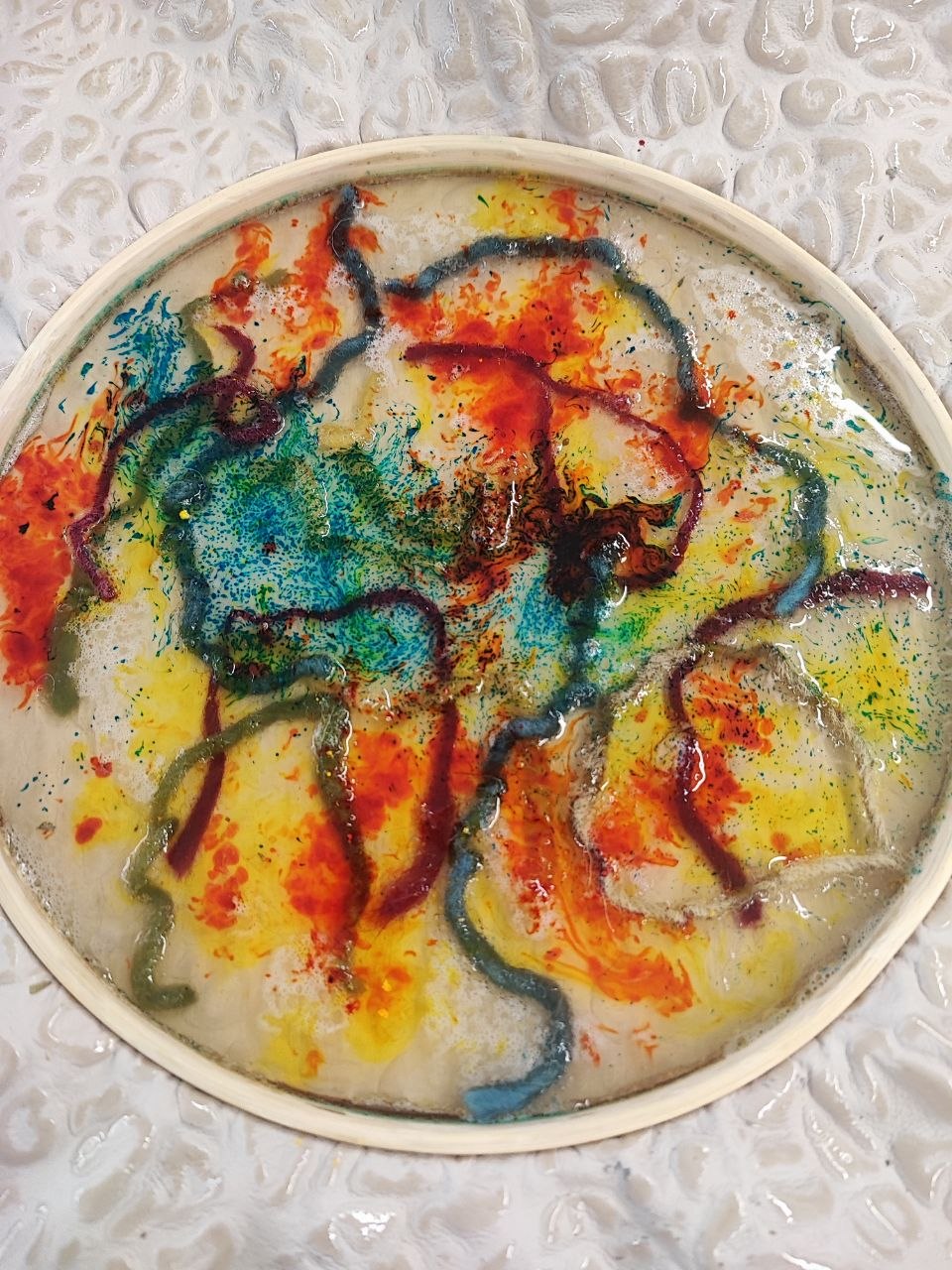
Plant-based biomaterials’ recipe
-
Agar-agar(g) 10
-
Water(ml) 300
-
Glicerine(g) 4-rigid, 16-normal, 32-elastic
dried 7 days
I made the biomaterials with normal consisitence.
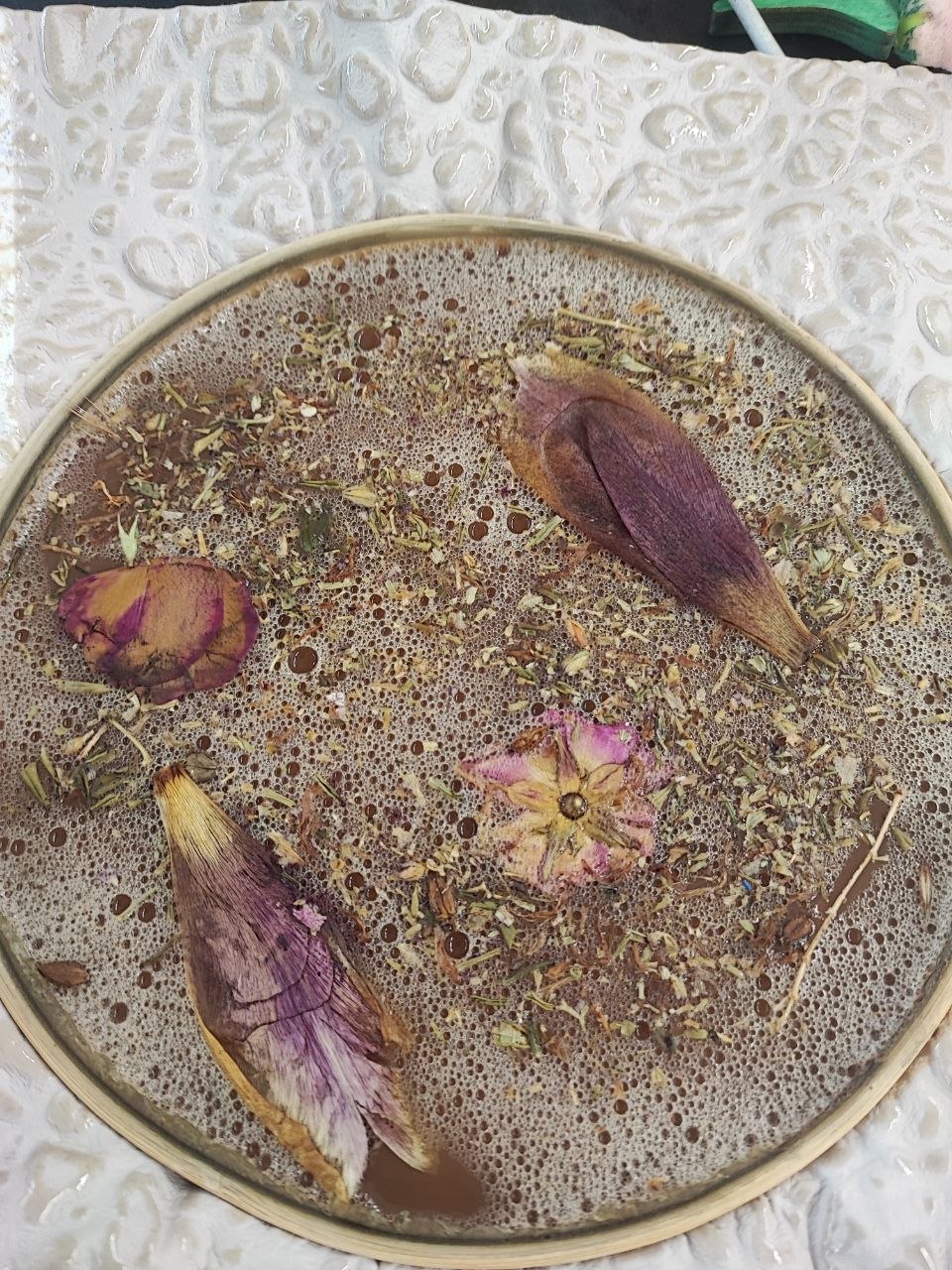
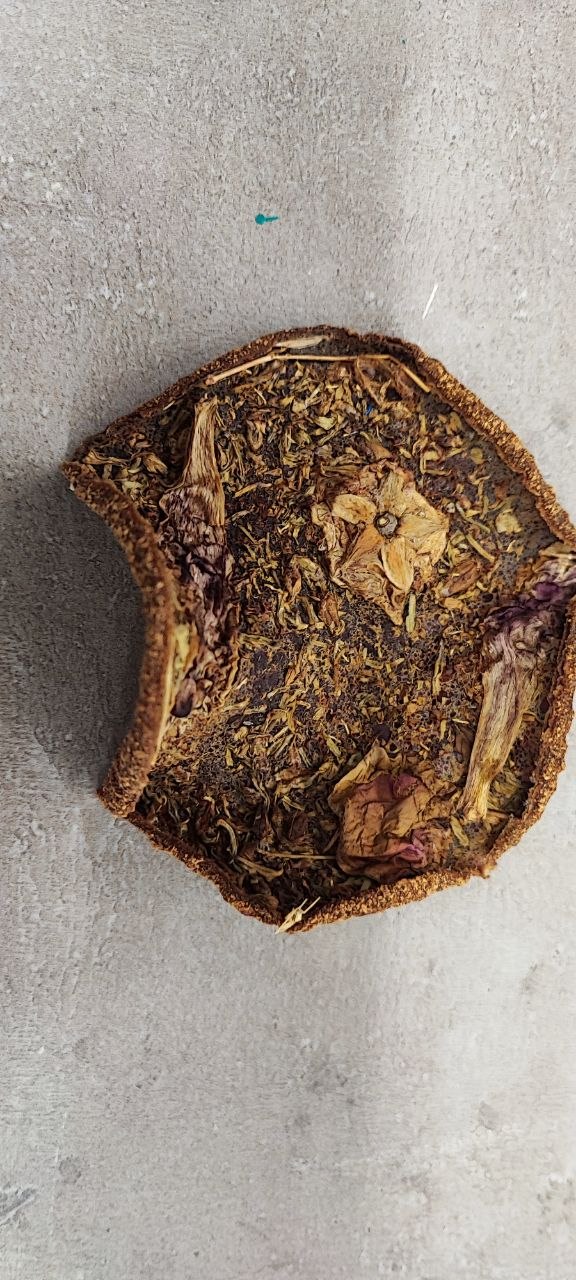
Plant-based biomaterials, while consistent with the overall vegan concept, were unreliable. They didn’t retain their shape after drying, shrank significantly, were cloudy in color, and took a long time to dry.
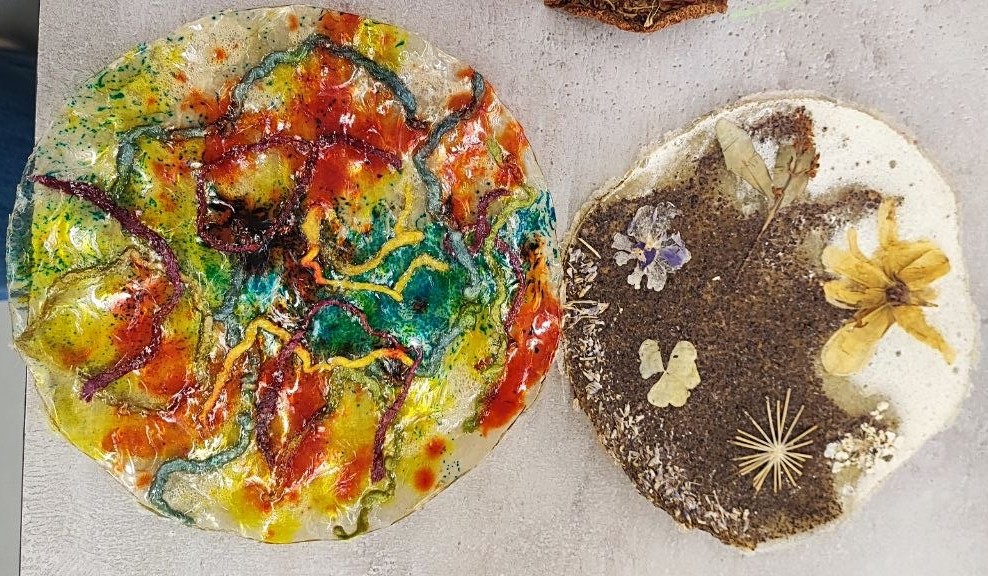
The production of animal-derived biomaterial showed a different picture. The resulting samples were very stable and attractive, with a transparent appearance. They had very little loss in shape or volume
I also managed to get a rectangular mold for making biomaterial bookmarks at Field Activity 3. I laser-cut it from 3mm plywood.
Reflection
1. Have you considered sustainable practices in your teaching in the pasts? How? What aspects do you think should be improved in your own teaching environment?
The most important sustainable goal is a high-quality education that enables our school’s graduates to be in demand in the labor market, earn high wages, and enjoy a decent standard of living, regardless of gender or academic ability. However, I believe we need to improve our environmental education programs. Our school has many examples of how we try to improve environmental sustainability. Several times a year our school organizes clean-up days, in which students, teachers and even parents participate.
For example, we widely practice waste sorting. We often donate plastic and glass to third-party organizations. And we reuse paper in project-based learning in design and art classes. For example, we make papier-mâché masks for performances.
2. How Digital Fabrication might support sustainable practices? When using Digital Fabrication what actions you can take to support sustainable practices.
Digital manufacturing can contribute in many areas. But first and foremost, it’s essential that as many people as possible master digital technologies. The most effective way would be to create labs like our FabLab clusters, where many students, teachers, or simply specialists who need to improve their knowledge in their fields can train.
For example, with DF we can avoid plastic by creating small molds from biomaterials for planting seedlings. After planting, such a mold will dissolve safely in the soil without causing any harm.
As another example using DF: programmable tools can be used to monitor the condition of air, land and water, which is very important for the ecological climate in the region.
It’s also possible to recycle plastic into filament and 3D print it. However, a DF won’t be enough for this; collaboration with a recycling factory will be necessary.
3. How could you integrate both culturally reflective learning and digital fabrication in your environment? Could you come up with some project ideas using digital fabrication in which cultural diversity of students is highlighted?
Integrating students’ culturally informed learning and digital production can be accomplished through collaborative projects based on cultural diversity. These projects can be implemented both offline and online. For example, an online conference on national holidays could be held, and students could present projects on this topic at the conference. The projects themselves can be created using DF technologies.
Recently, my students and I implemented such an example. In FabLab, we used laser cutting to cut out Easter cake molds in the shapes of eggs and ladybugs, and then held a decoupage and coloring workshop for elementary school students.
In the future, we could organize a New Year’s party where we laser-cut shadow theater figures and perform fairy tales from different countries. This way, we will consider cultural diversity and use digital fabrication to implement the idea.
Tools
- Plywood/3mm/
- Oilcloth
- gelatin
- glycerin
- dried flowers
- dishwashing liquid or soap
- food scraps or spices
- stove
- scales
- measuring cups