Week 1. Physical computing.
This week I started learning the basics of programming microcontrollers on the Arduino platform. As this is a completely new area of DF for me,after learning the basics of connecting the platform, I moved on to a simple function. I connected one LED light bulb. I use Arduino Uno platform and Arsuino I
After that, I tried the blink function on the Arduino Uno. You can see how it works in the video. The parameters and screen are at the end of the video.
After that, I added another LED lamp and implemented the blinking function for both bulbs. By changing the program parameters, I got different blinking intensities and sequences. This is the proramming code

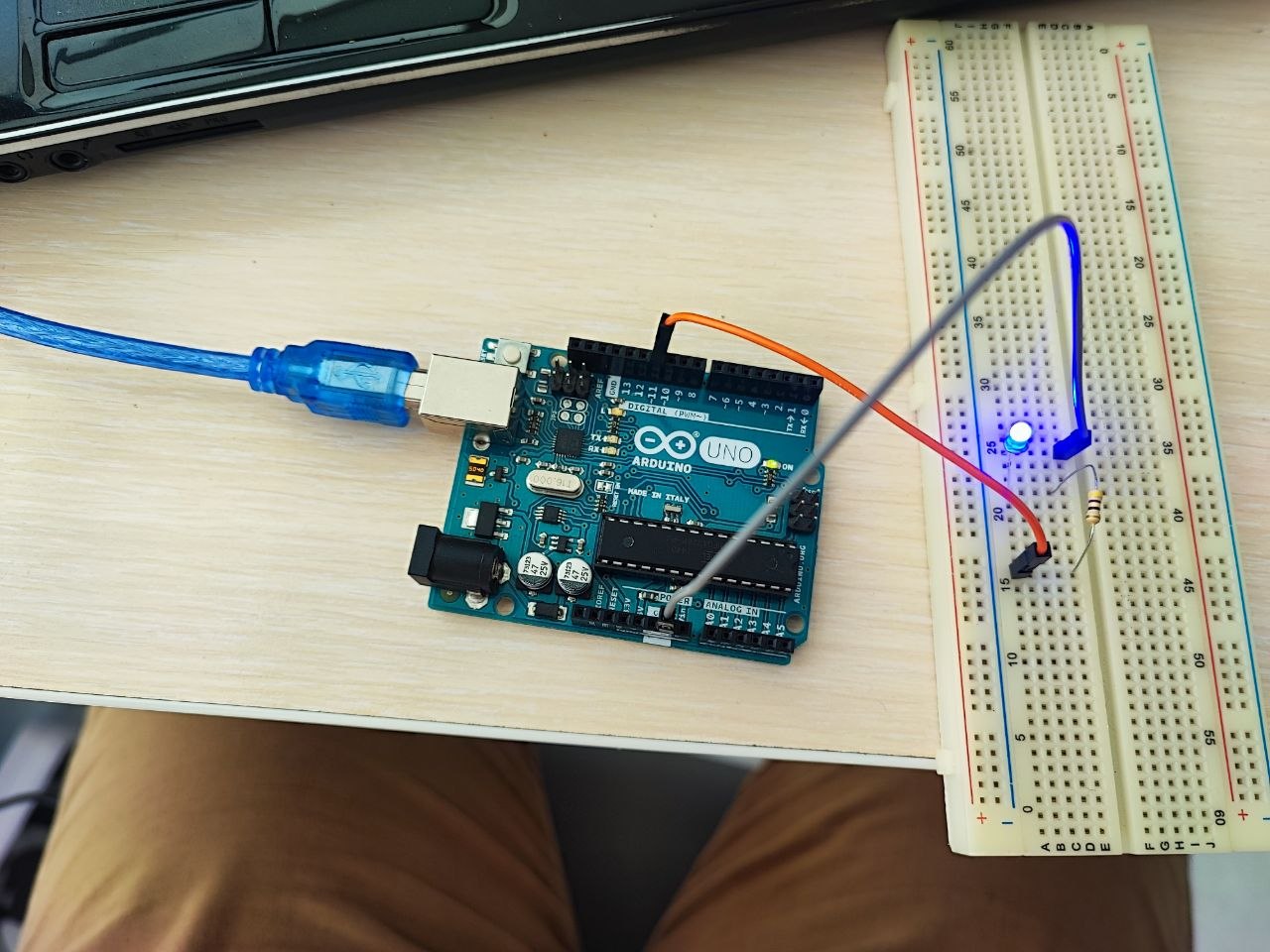
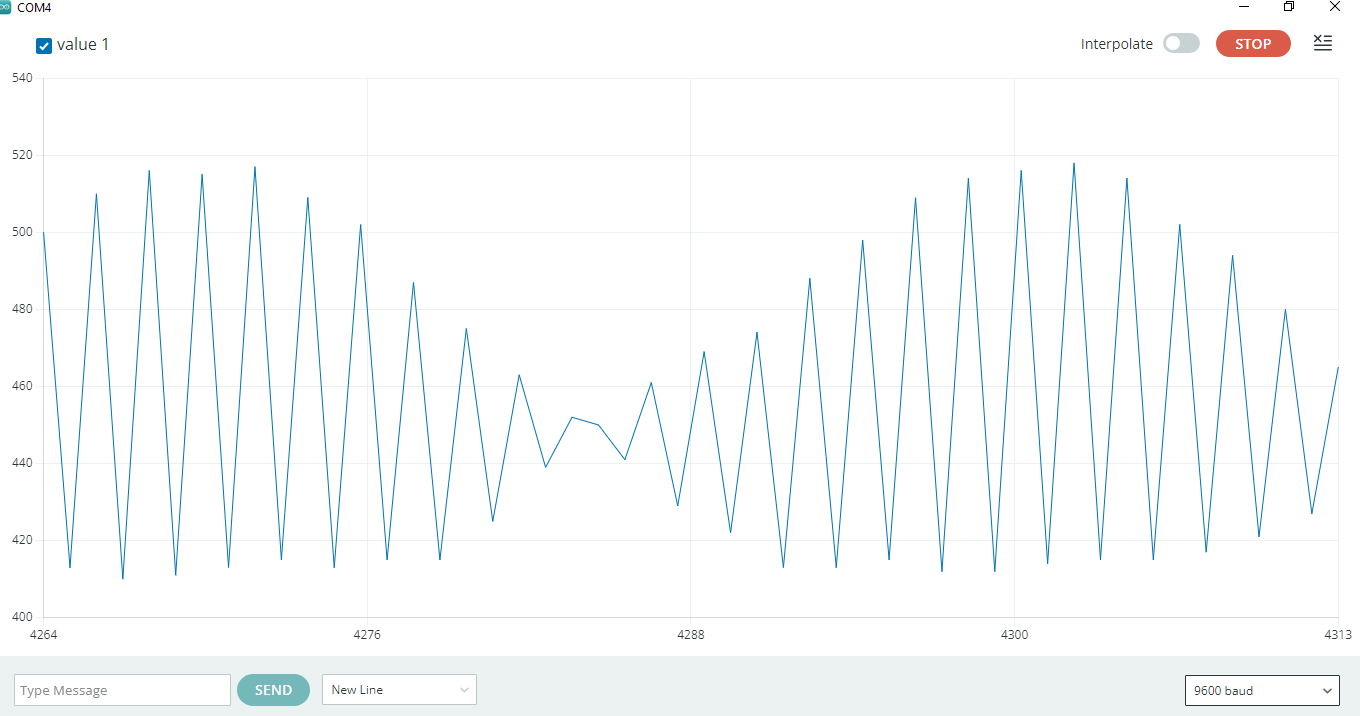
And finally, I programmed the heartbeat sensor. The circuit consisted of a lamp sensor, a resistor board, and wires. Touching the sensor produced a pulse-pulse-based LED blinking.
This is the diagram of heart beat sencor
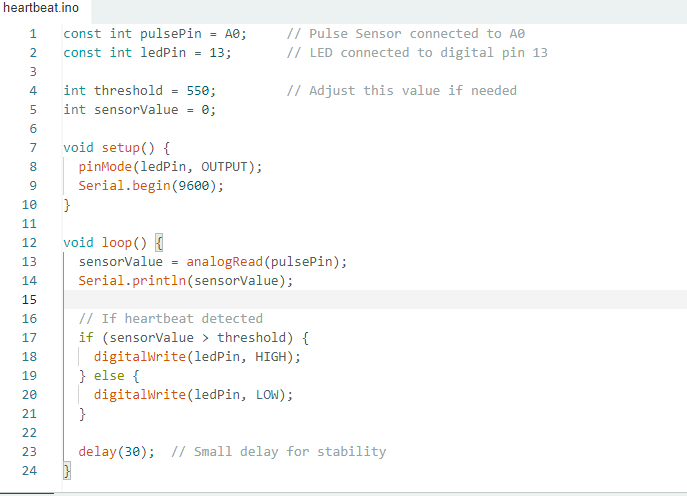
This is the proramming code of heartbeat sencor
Reflection
1.Do you integrate different disciplines in your teaching? Do you collaborate with teachers from other disciplines? What are the opportunities and challenges?
- In my teaching, I often collaborate with other teachers. For example, with an art, design, and science teacher. Since my specialty is social learning, we often implement community projects at the school or in the city. A recent example is a collaboration with an art teacher, where we had to create masks and organize a workshop for elementary school students for a school Easter celebration.
2. How do you envision a makerspace in your school? What does it look like? If you already have one, how would you modify it?
Our makerspace is FabLab Dilijan. It’s a modern digital workshop equipped with high-quality, high-quality equipment. Professionals work there. But I’d like to add some equipment in the future, if possible. For example, a plastic shredder and granulator. It would also be nice to have more space. For example, a separate classroom for students.
3. What is the potential of physical computing and IoT for your teaching? Do you have any ideas on how you are planning to integrate those techniques in your context?
I often use computational thinking in my work. Sometimes, when discussing values and issues, after watching a film or reading a book, we play games created by me or the students. Of course, it can be useful not only in teaching subjects, but also in social learning. For example, recently my students and I organized a Mother’s Day party. During the party, participants (students and their mothers) played a quiz based on facts about their mothers. This created a very warm atmosphere at the party and served to unite the children and parents.